Sunday, 29 March 2026

The Difference between Dog mums and Dog dads


The Terrier Code


The Green Man


The Green Man, a mysterious and captivating figure, has been present in human mythology, art, and spirituality for centuries. Depicted as a face surrounded by or made of leaves, he represents the connection between humanity and nature, embodying the cycles of life, death, and rebirth.
The Green Man is often seen as the spirit of the forest, guarding the plants and animals within. He reminds us of the sacred bond between humans and the earth, and the importance of preserving nature.
Alchemically, the Green Man symbolizes transformation and renewal, like the transmutation of base metals into gold. He embodies the green lion, the raw energy of nature that must be harnessed in the alchemical process.
As an archetype, the Green Man represents the wild man, the primal, instinctual aspect of the masculine psyche. He is the untamed, creative force within us, deeply connected to the earth and the cycles of nature.
In many spiritual traditions, the Green Man is associated with the dying and resurrecting god, sacrificing himself for the world's renewal. This aspect reminds us of the importance of letting go and surrendering to life's cycles.
The Green Man continues to captivate our imaginations and inspire our spiritual journeys. By connecting with this powerful archetype, we can deepen our relationship with nature, embrace our inner wildness, and tap into the transformative power of renewal and rebirth.
As William Anderson said, "The Green Man is the archetype of our oneness with the earth, a symbol of the unseen spirit that connects all living things. He reminds us of our own wild and untamed nature, and the importance of honoring and embracing it."
“The Green Man”
Mixed Media
2022
***
Prints:
4X6 matted altar art prints: https://etsy.me/3JCkOtp
8X10 signed and matted: https://etsy.me/3JCkUkL
11X14 signed gallery photographic prints: https://etsy.me/406fDZv
16 X 20 special edition: https://etsy.me/3nh7ItN


Elizabeth Barrett Browning's Sonnet 43: Re-written

 How much do I love you? Honestly, I can’t even count.

I love you as big as my soul can stretch,
beyond what I can even see,
reaching for all the best things life can give.
I love you in the little everyday moments,
morning coffee, late-night talks, candlelight vibes.
I love you because it just feels right,
and because I don’t need anyone else to notice.
I love you with the same fire I used to put into old crushes,
and the same trust I had as a kid.
I love you with the love I thought I’d lost
with people I used to look up to.
I love you with every breath, every smile, every tear—everything.
And when God comes again or calls? I’ll just keep loving you more.


Books


Dogs


Jamie Perry


Jamie Perry, artiste américain contemporain.
« Homme et ami »


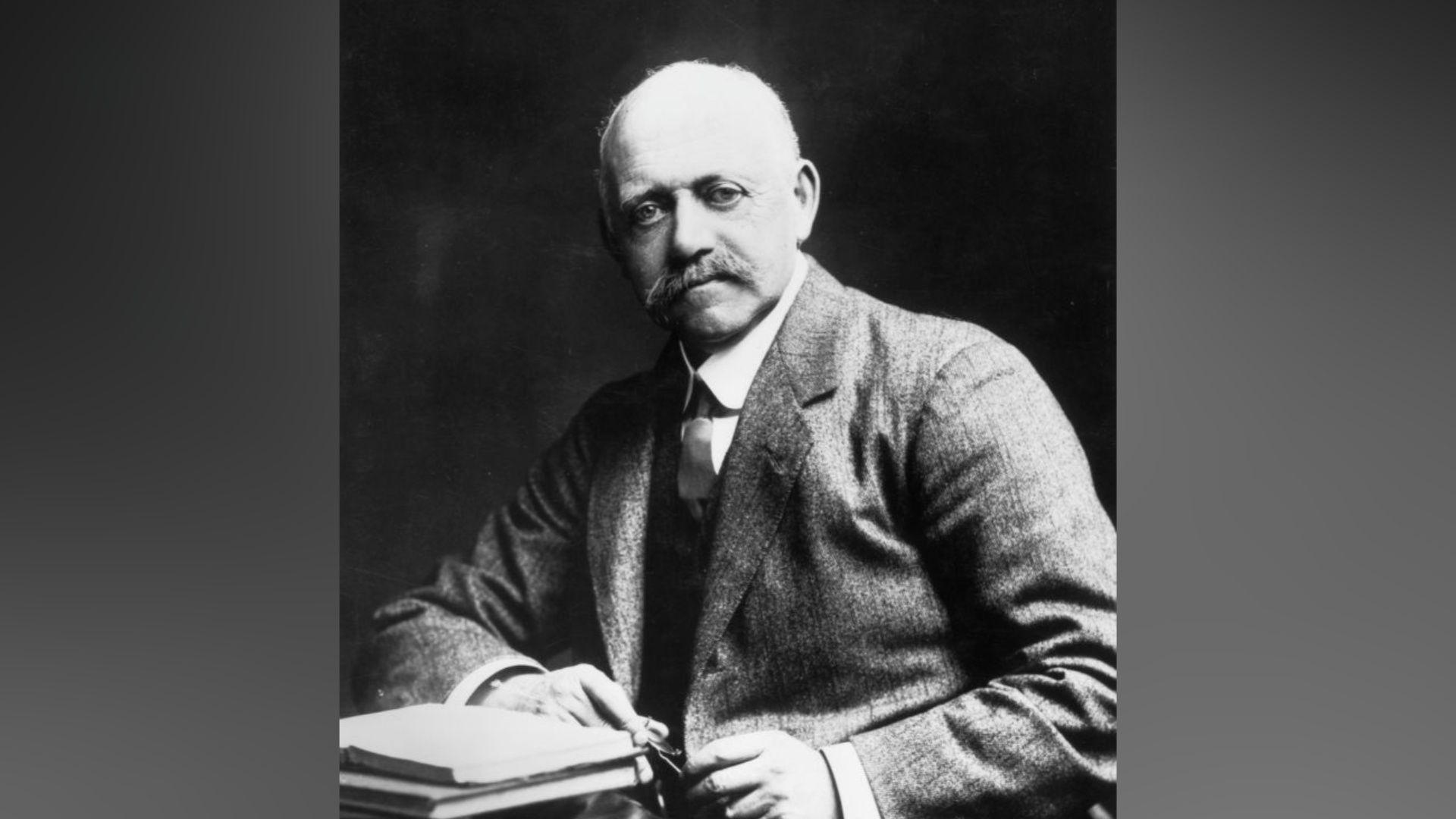
Meet the builder who changed how we keep time


A black and white photo of a middle-aged man wearing a suit. There are books ladened on a table next to him.Image source,Getty
Image caption,

William Willett, who promoted daylight saving, believed if people had more time to enjoy sunshine it would be beneficial for their health and wellbeing

BySteve LadnerReporting fromin Chislehurst and Hsin-Yi LoSouth East
  • Published

When the clocks change twice a year, we have one person to thank but he did not live to see how he changed the lives of millions around the world.

William Willett (1856-1915) was an Edwardian builder who was a great lover of the outdoors. He was born in Farnham, Surrey, and spent most of his life in Chislehurst, which at the time was part of Kent.

Joanna Friel, chair of the Chislehurst Society, said Willett had built "many beautiful homes" with large bay windows to enable sunlight to enter the properties.

Friel said the concept of daylight saving came to him when he was out riding and noticed many homes had their blinds down despite being a sunny day.

"He said they were wasting the daylight," Friel told Secret Kent.

"He believed if people had more time to enjoy more sunlight it would be beneficial for their health and wellbeing."

Friel said Willett, who was the great-great-grandfather of Coldplay frontman Chris Martin, campaigned to parliament to change the clocks and had support from Winston Churchill and former prime minister David Lloyd George.

He wrote pamphlets, Waste of Daylight, which introduced the concept that time should be moved forward by four 20-minute increments during April.

The proposal had gained some traction but it was interrupted by the outbreak of the World War One.

Friel said Willett's idea was accepted during the war, but it was based on necessity during a time of extreme hardship.


"Authorities thought it was a good idea not to use so much coal to generate electricity and reducing the use of candles," Friel said.

"The idea of saving money was probably the reason why daylight saving was accepted."

Willett died in 1915 from influenza and the Summertime Act was passed in 1916.

"It was a legacy of his but sadly he did not live to see it," Friel said.

"Had he lived to see the act being passed, many more people would have known about his contribution."

Follow BBC Kent on Facebook, external, on X, external, and on Instagram, external. Send your story ideas to southeasttoday@bbc.co.uk, external or WhatsApp us on 08081 002250.


Cornist Hall, Flint


Cornist Hall is a historic country house located on the outskirts of Flint in North Wales. The original hall dates back to the 18th century and was later rebuilt in the 19th century, becoming part of a large estate owned by prominent local families. Surrounded by parkland and farmland, the hall reflected the prosperity and social standing of the area during Flintshire’s industrial growth.
Over the years, the estate changed hands several times and the surrounding land was gradually developed, but Cornist Hall itself has remained an important local landmark. Its traditional architecture and setting offer a glimpse into Flint’s past, linking the town’s rural heritage with its industrial history. Today, the hall continues to stand as a reminder of the area’s rich history and character.


Books and infinity


A. Edward Newton (1864 to 1940) was an American author, publisher, and devoted bibliophile celebrated for his reflections on book collecting. In essays such as The Amenities of Book Collecting, he portrayed the love of books as both passion and aspiration, a quiet reaching for something larger than oneself.


Thursday, 26 March 2026

Malted Milk and Chocolate Traybake


For the buttercream


Method

  • step 1

    Heat the oven to 180C/160C fan/gas 4. Oil a 20 x 30cm traybake tin and line with baking parchment. Whisk the oil, sugar, eggs and milk together in a large bowl. Sieve over the flour, cocoa, malted milk powder and bicarbonate of soda, then fold the dry ingredients into the wet until well-combined. Pour the batter into the prepared tin and bake for 30-35 mins until the sponge has risen and springs back when gently pressed – a skewer inserted into the middle should come out clean. Set the tin on a wire rack and leave to cool completely.

  • step 2

    While the sponge cools, make the buttercream. Beat the butter, icing sugar, malted milk powder, vanilla and 1 tbsp boiling water from the kettle together using an electric whisk until pale and fluffy. Spoon the buttercream over the cooled cake and gently spread to the edges using a spatula or palette knife. Scatter over the bashed chocolate balls, then decorate with the chocolate bunnies and halved chocolate eggs before serving. Will keep in an airtight container for up to three days.


https://www.bbcgoodfood.com/recipes/malted-milk-and-chocolate-easter-traybake