Saturday, 5 May 2018

C.S. Lewis's Grave

The beloved fantasy novelist is buried near a church containing a whimsical etched glass window full of Narnia favorites.


The bones of C.S. Lewis, one of the 20th century’s literary greats, rest within a peaceful cemetery. Nearby, an etched glass window bearing characters from his most famous fantasy world adds a whimsical touch of childhood magic to the churchyard.

The grave of C.S. Lewis lies within the cemetery of the Holy Trinity Church in Headington Quarry just outside of Oxford. He was buried there in November of 1963, and even today it’s common to find flowers placed atop his tombstone.
C.S. Lewis is best known for his beloved fiction novels, notably The Chronicles of Narnia, The Screwtape Letters, and The Space Trilogy. He is also known for his popular works of non-fiction Christian apologetics, including Mere Christianity and The Problem of Pain.
Lewis was educated at Oxford University, which is only a couple miles from the churchyard. After serving in World War I, he returned to Oxford to become a tutor and fellow in English Literature at Magdalen College. He was one of the “Inklings” that brought weekly fractions of the fantasy realm to the town’s local haunts.
Influenced by close friend J.R.R. Tolkien and others, Lewis returned to Anglicanism in 1930 and began attending Holy Trinity Church. The famous writer was a regular at the church’s 8:00 a.m. service, which he chose because of his dislike of organ music. In 1992, a gorgeous etched glass window featuring beloved Narnia characters was installed in the church. The fantasy scene is located adjacent to the pew where he always sat.

16 Quotes on Grieving & Loss to Help us Feel Less Alone. Via Aimee-Claire Smith

get elephant's newsletter


Sometimes, pain simply needs to be acknowledged and honored. Sometimes, we need understanding more than we need hope.

1. “My longing for you is such that it presses on my breast like tears that cannot be wept.”  ~ Franz Kafka
2. “The night I lost you, I lost something inside me. Or perhaps several things. Something central to my existence, the very support for who I am as a person.” ~ Haruki Murakami
3. “Since I was shot, everything seems like such a dream to me. Like I don’t know whether I’m alive or whether I died.” ~ Andy Warhol
4. “This is how I am without you, now. I stand in my kitchen, leaning against the sink, for an hour, my eyes seeing memories. But you are gone.” ~ Waylon Lewis 
5. “I don’t understand how the sun keeps rising every morning, or how the moon and stars still glow every night. Sometimes I wish they wouldn’t, sometimes I wish the universe would just stop and mourn your loss till nothing but dust is left.” ~ Kaila Cunha
6. “I want her back. I want everything back, the way it was. But there’s no point to it, this wanting.” ~ Margret Atwood
7. “And my heart aches, in hopeless pain / Exhausted with repinings vain / That I shall greet her ne’er again!” ~ Emily Bronte
8. “You think the grief will make you smaller and sad, like your heart will collapse in on itself—but it doesn’t. I feel spaces opening up inside of me, like a building with rooms I’ve never explored.” ~ Lisa Joy
9. “Should I tear my eyes out now? Everything I see returns to you somehow. Should I tear my heart out now? Everything I feel returns to you somehow.” ~ Sufjan Stevens
10. “I long for you like a ship for the harbour. Every thought of you sinks my heart.” ~ Unknown
11. “The pain of loss is insurmountable and everlasting, fading and heightening to the tumultuous waves of time. In the moment it fades, we continue living, caught up in the regular motions of life. And in the moment it hits us strong, we’re enraged at life because it doesn’t stop; it just goes on no matter the pain, no matter the loss.” ~ Jihad Mahmoud
12. “The day you lose someone isn’t the worst—it’s all the days they stay dead.” ~ Steven Moffat
13. “The times that were the most fun always seemed to be followed by sadness now, because it was when life started to feel like it did when she was with us that we realised how utterly, totally gone she was.” ~ John Green
14. “I miss you like the cloudless night sky would miss the stars if they were stolen.” ~ C.T. O’Connel
15. “One minute I want to remember. The next minute I want to live in the land of forgetting. One minute I want to feel. The next minute I never want to feel again.” ~ Benjamin Saenz 
and, lastly, these timeless verses from a poem by Edward Hirsch:
16. “I did not know that the work of mourning
Is like carrying a bag of cement
Up a mountain at night…
…Look closely and you will see
Almost everyone carrying bags
Of cement on their shoulders.”
~
Author: Aimee-Claire Smith 
Image: Annie Spratt/Unsplash 
Editor: Sara Kärpänen
Copy Editor: Travis May

Friday, 4 May 2018

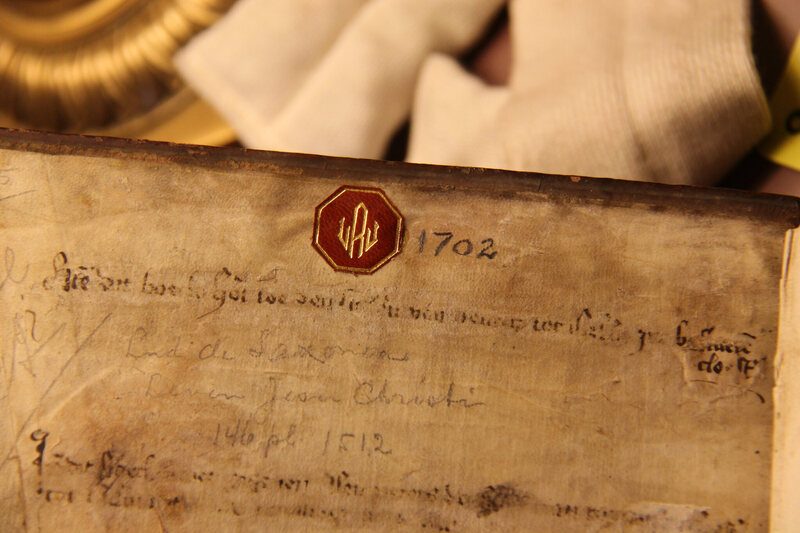
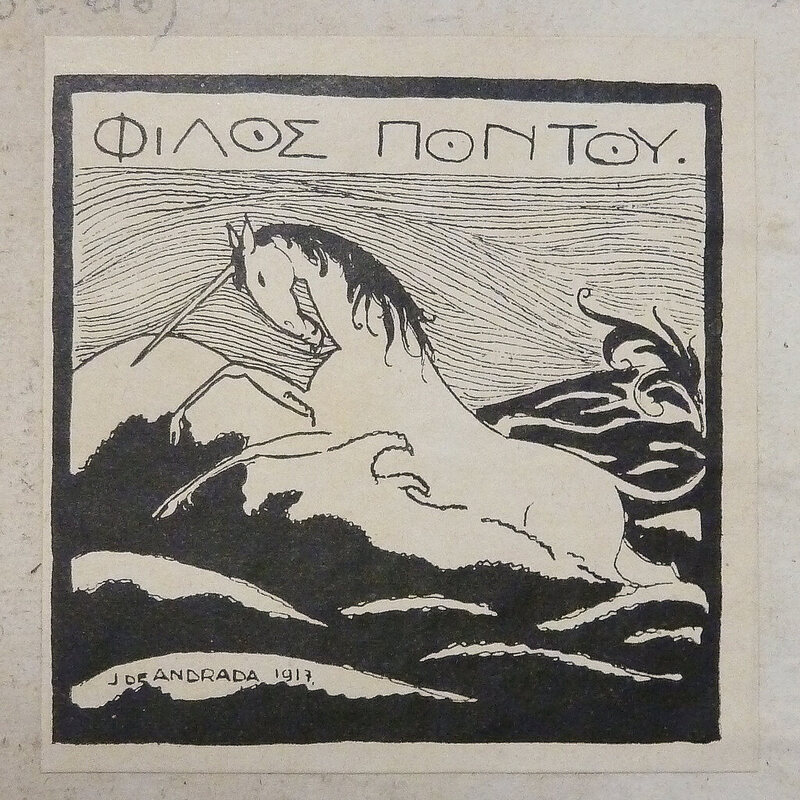
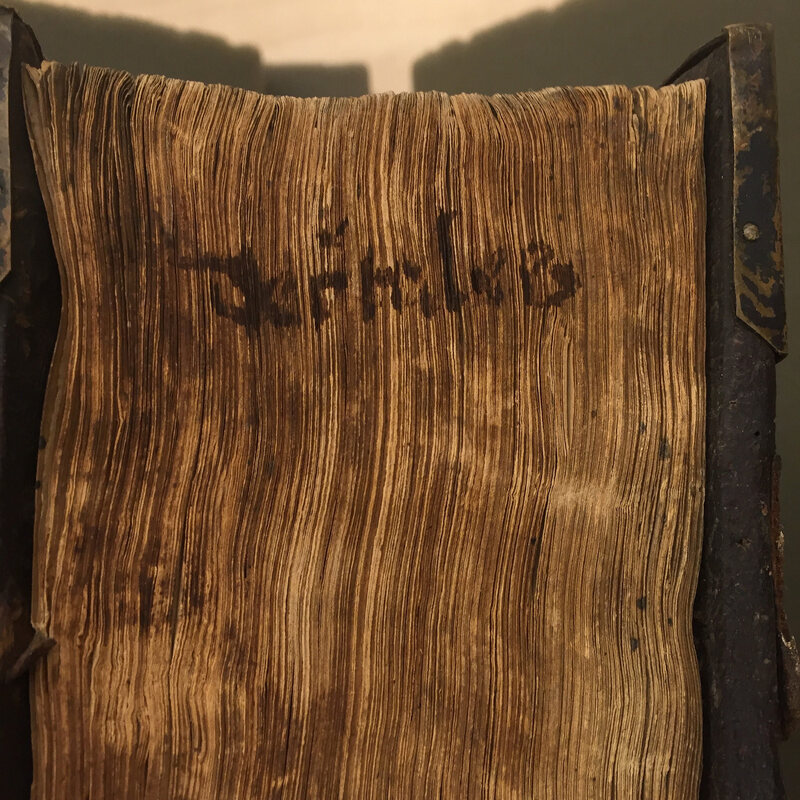
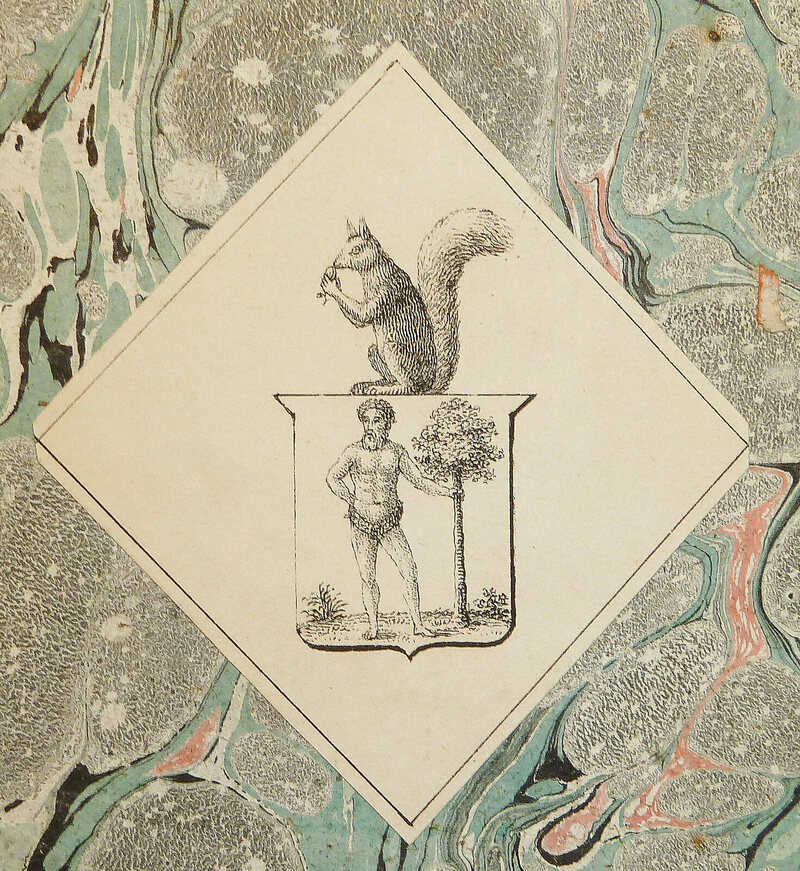
Bookplates Hold the Secrets to Books’ Past Lives

The mysterious marks owners leave in their books tell stories of their own.

A Photographer’s Journey Through the Former Spas of Soviet Georgia Remnants of communist leisure in the shadow of war.

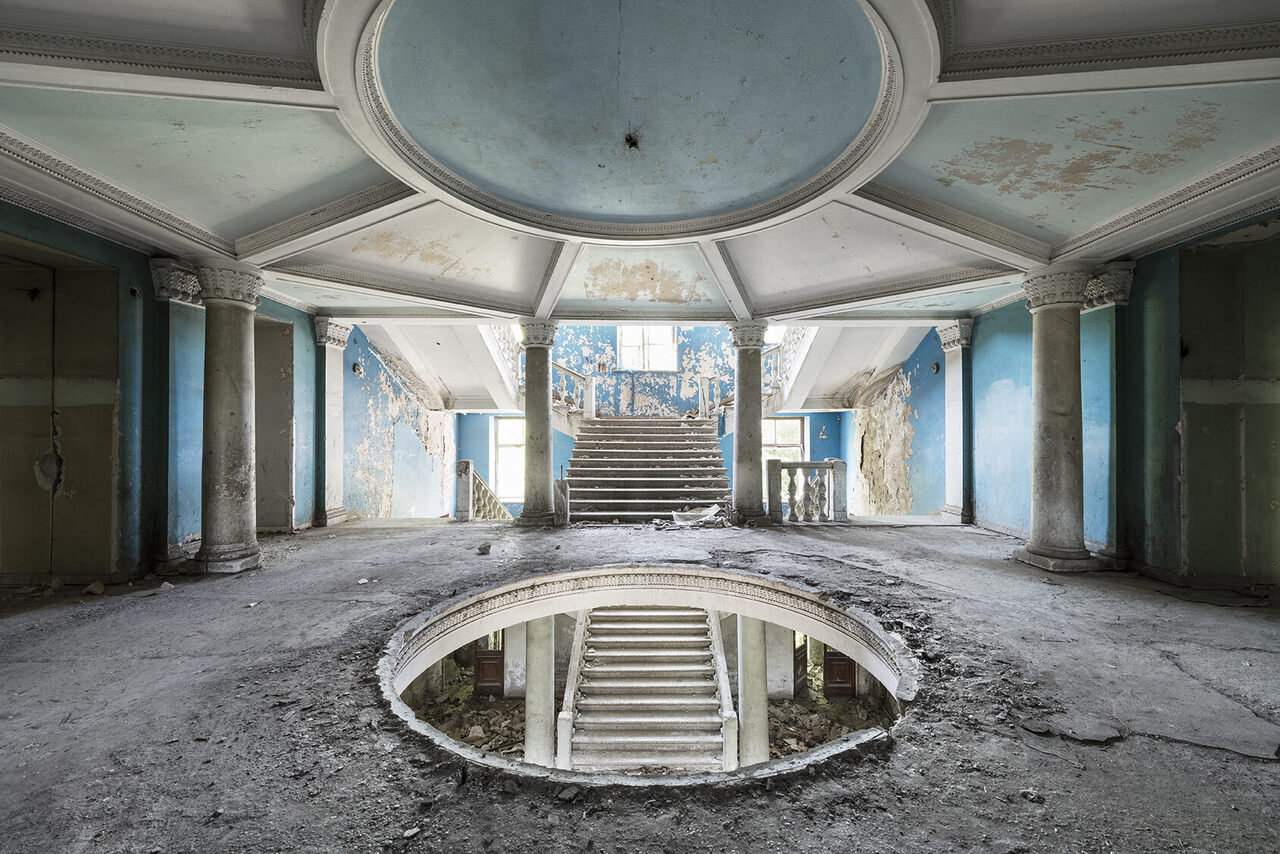
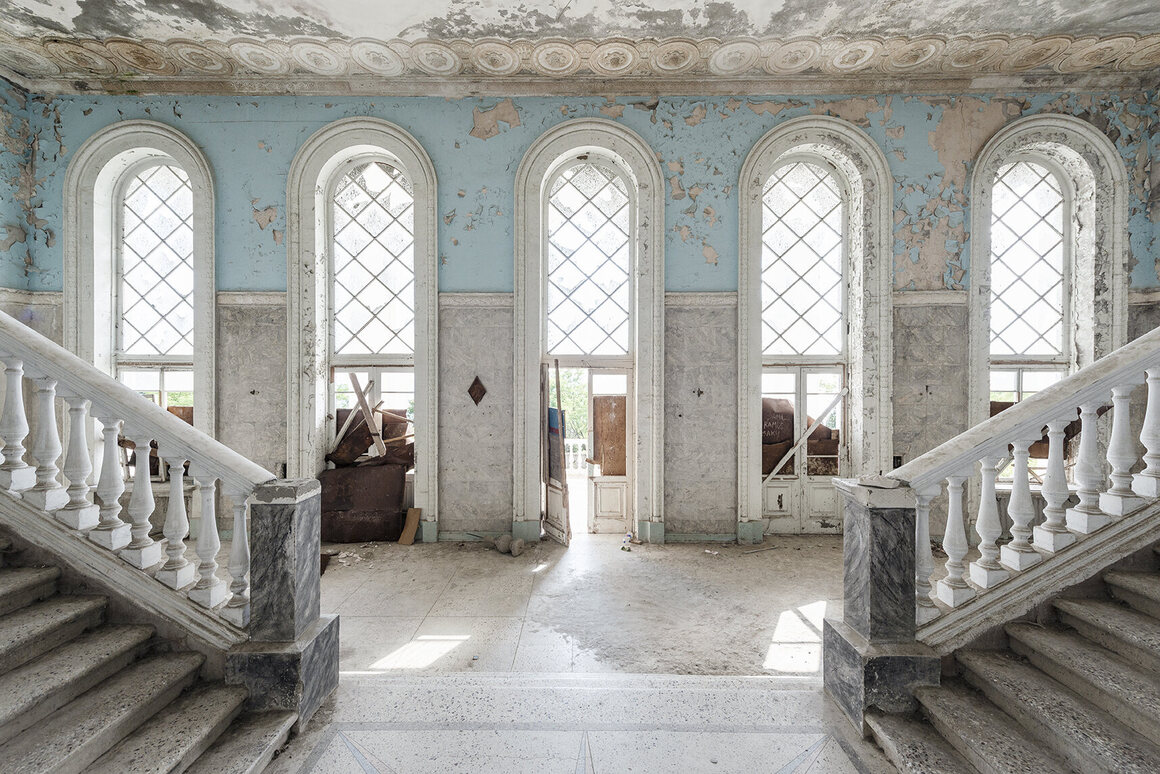
The grand entrance hall inside a neglected sanatorium in Georgia. This building is slated to be redeveloped into a luxurious hotel.
The grand entrance hall inside a neglected sanatorium in Georgia. This building is slated to be redeveloped into a luxurious hotel. ALL PHOTOS: REGINALD VAN DE VELDE


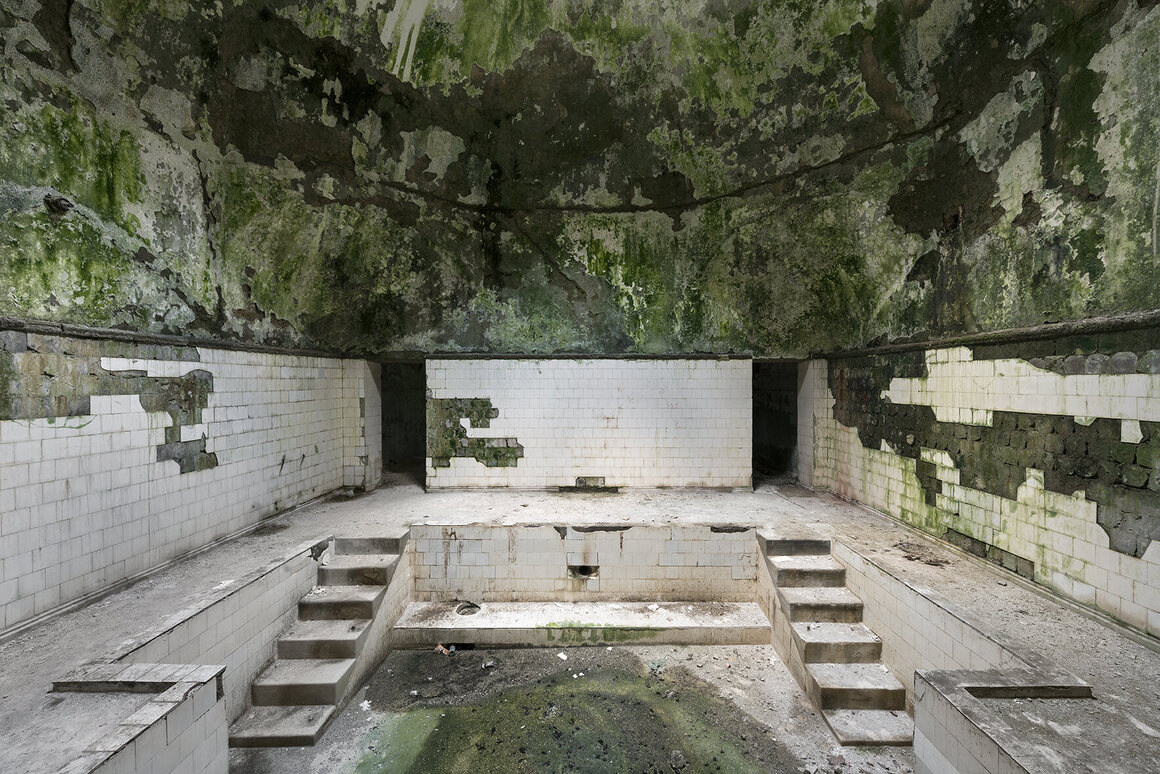
The town of Tskaltubo, in Georgia, had everything a Soviet citizen could want from his or her annual, state-sponsored, two-week vacation. Located near the Caucasus Mountains, it offered a subtropical climate and thermal water treatments at an array of sanatoriums. But since the collapse of the USSR, the town has changed. There are fewer visitors to the few sanatoriums that remain in operation. Those that closed were either left to decay, or are now housing refugees from the Abkhaz-Georgian conflict.
“Georgia, as a Republic of the Soviet Union, proved to be the perfect host for building many sanatoriums,” says photographer Reginald van de Velde, who visited a dozen of these sites across Georgia and Abkhazia last summer. In addition to the thermal and mineral qualities of their water, “some even had sources with radiotive isotopes in them,” he says, noting that “radioactivity was once considered a healthy thing, curing everything from infertility to paralysis.”
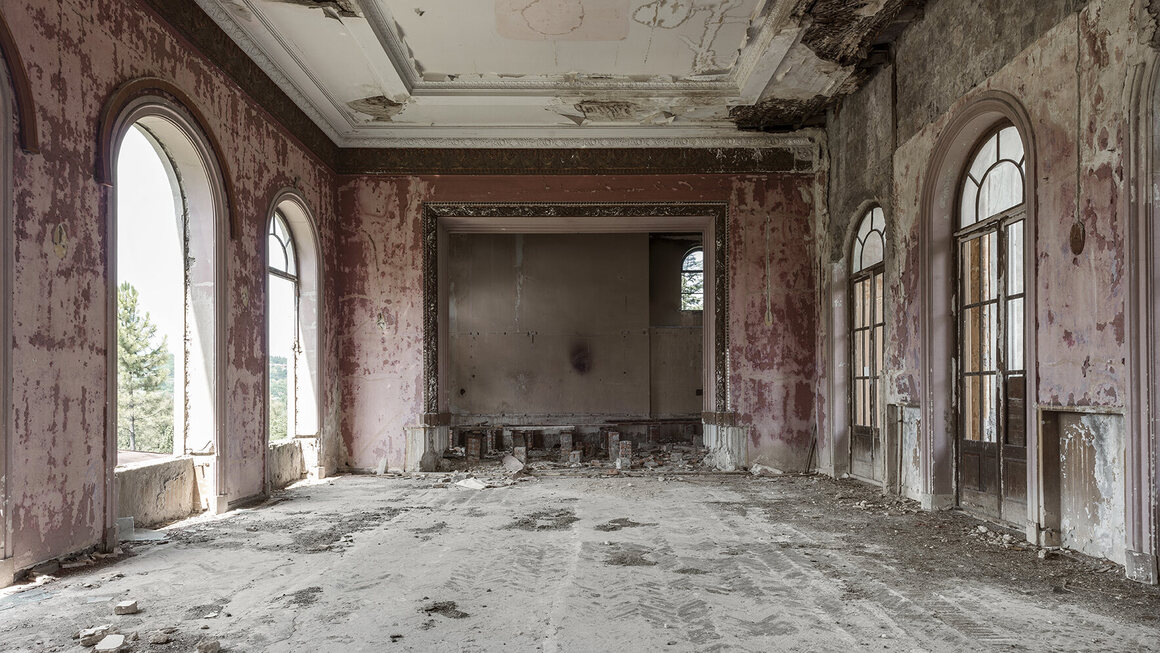
The remains of a theater inside a Georgia sanatorium.
Vacation was a serious business in the USSR. It was enshrined in the 1936 Soviet constitution, as a “right to rest.” Using a voucher system, workers could stay at a sanatorium and receive health-promoting treatments. They were often built to capitalize on natural resources, such as the one in Naftalan, Azerbaijan, where visitors could soak in crude oil (a treatment that is still available today). Georgia’s appeal was not just its spring waters, but also the region on the Black Sea coast known as Abkhazia.
“This pristine coastline soon gained an enormous popularity amongst the Soviet elite, and was dubbed the ‘Russian Riviera,’” says van de Velde. Abkhazia drew so many visitors that at its peak, apartments in Sukhumi, the main city, were more expensivethan ones in Moscow. Stalin, in addition to visiting sanatoriums in Tskaltubo, owned a dacha overlooking the Black Sea.
But in 1992, shortly after the collapse of the USSR, Abkhazia sought independence from Georgia. “With the Georgians being the single largest ethnic group in prewar Abkhazia, they pretty much all fled the war-torn country due to the heavy and deadly clashes between the Georgian army and the Russian-backed Abkhaz separatists,” says van de Velde. More than 220,000 people left as refugees, and some of them still live in makeshift homes in Georgia’s former sanatoriums.
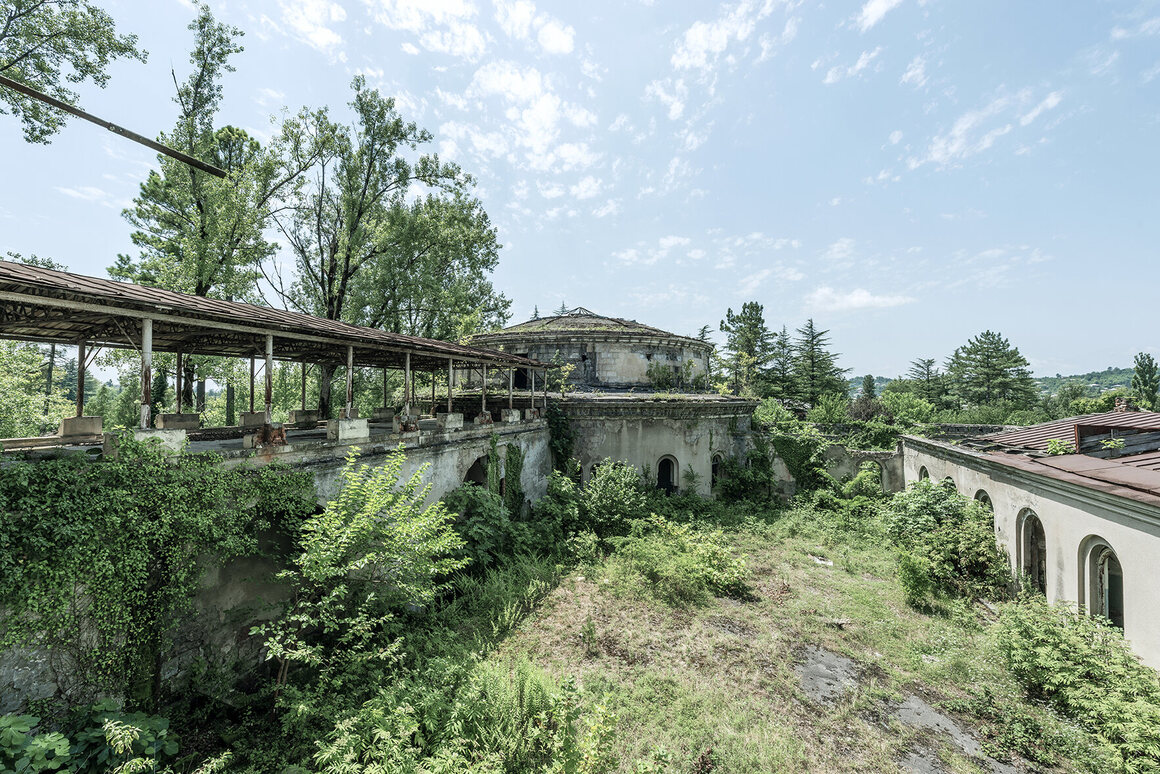
A building that was once used for dining, with an open-air terrace at left, Georgia.
The Abkhaz-Georgian conflict remains unresolved. Most of the world considers Abkhazia part of Georgia—the disputed territory has been recognized by only four countries: Russia, Nicaragua, Venezuela, and Nauru. The U.S. State Department advises against any travel to Abkhazia, as does the British Foreign Office. So van de Velde prepared a great deal before attempting to enter.
“There’s only one way to travel into Abkhazia via Georgia, and that’s via the famous Enguri Bridge. No vehicles are allowed to cross, so you need to walk the bridge by foot or make use of one of the horse carriages,” van de Velde recalls. “The Georgian police held us at the border for three hours for no apparent reason. Once you cross the other side, you bump into a Russian border operated by the military, doing a proper check-up as well.”
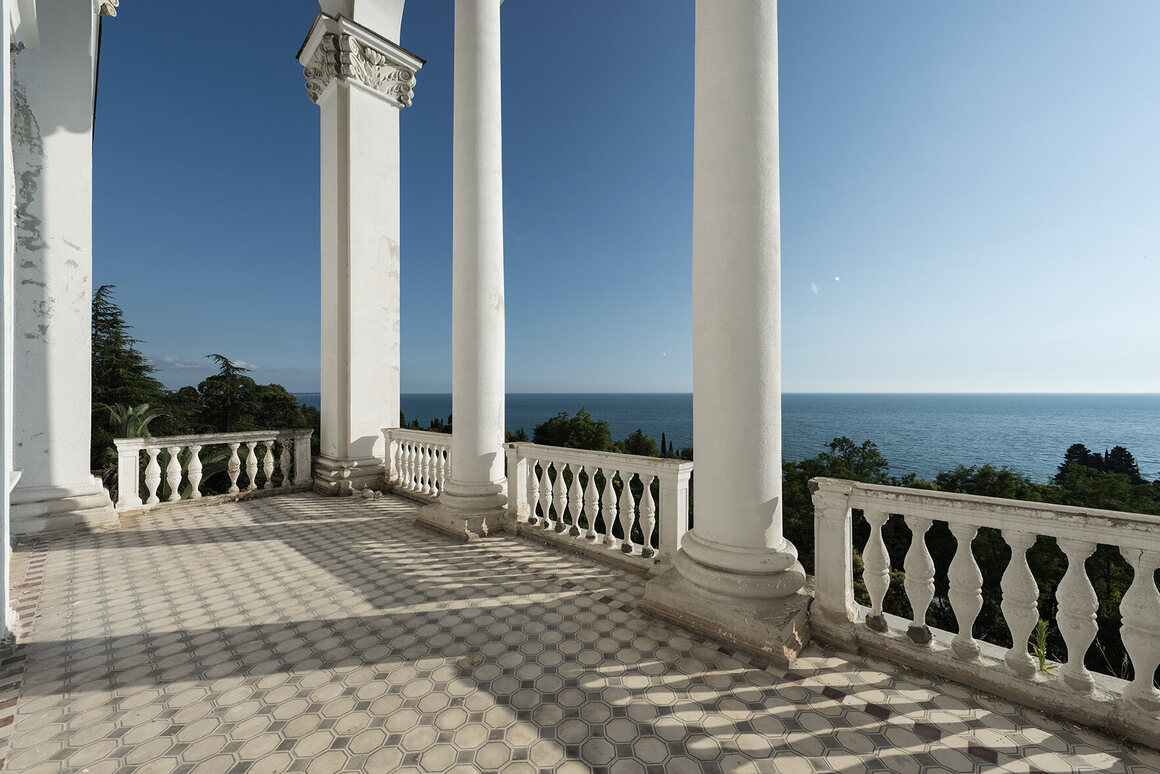
The view from the terrace of a former sanatorium on the Black Sea, Abkhazia.
Van de Velde didn’t know what to expect once he finally got into Abkhazia. “You enter a country no one ever visits, no one ever sees. You enter this fascinating entity secluded from the outside world. It’s unspoiled, its unknown, it’s subtropical, it’s war-torn, but it’s also incredibly beautiful and pristine,” he recalls. Evidence of violent conflict is still impossible to escape. “All the roads remain severely damaged and potholed, many homes are abandoned, and when you inspect them up close you see the impacts of bullets and shelling.”
Late one afternoon last summer, van de Velde found himself on the terrace of an ornate sanatorium in Abkhazia. Between the vast columns were sweeping views across the Black Sea. “Abkhazia suffered severely from the war,” he says. “But there’s still so much grandeur and beauty to be found.”
Atlas Obscura has a selection of van de Velde’s photographs.
The impressive entrance hallway to a sanatorium in Abkhazia. It had been converted into a hotel, but was abandoned during the Abkhaz-Georgian conflict.

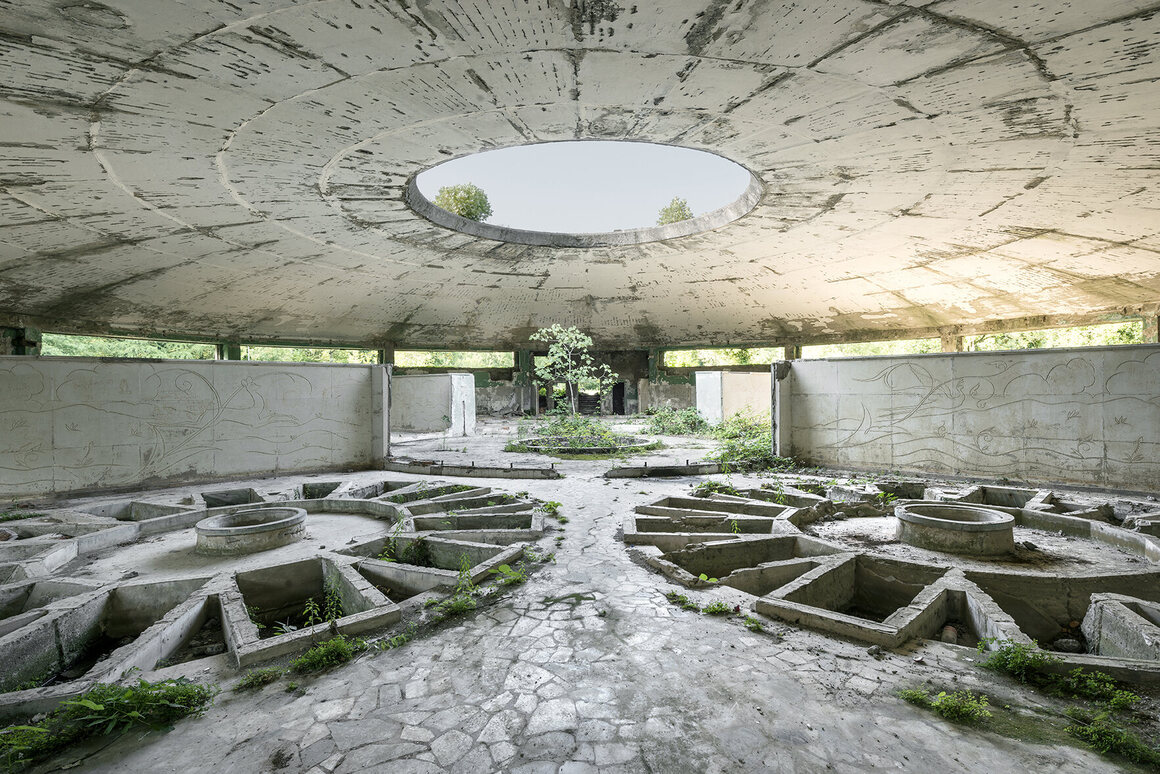
The remains of a thermal spa in Georgia, featuring rings of individual tubs.
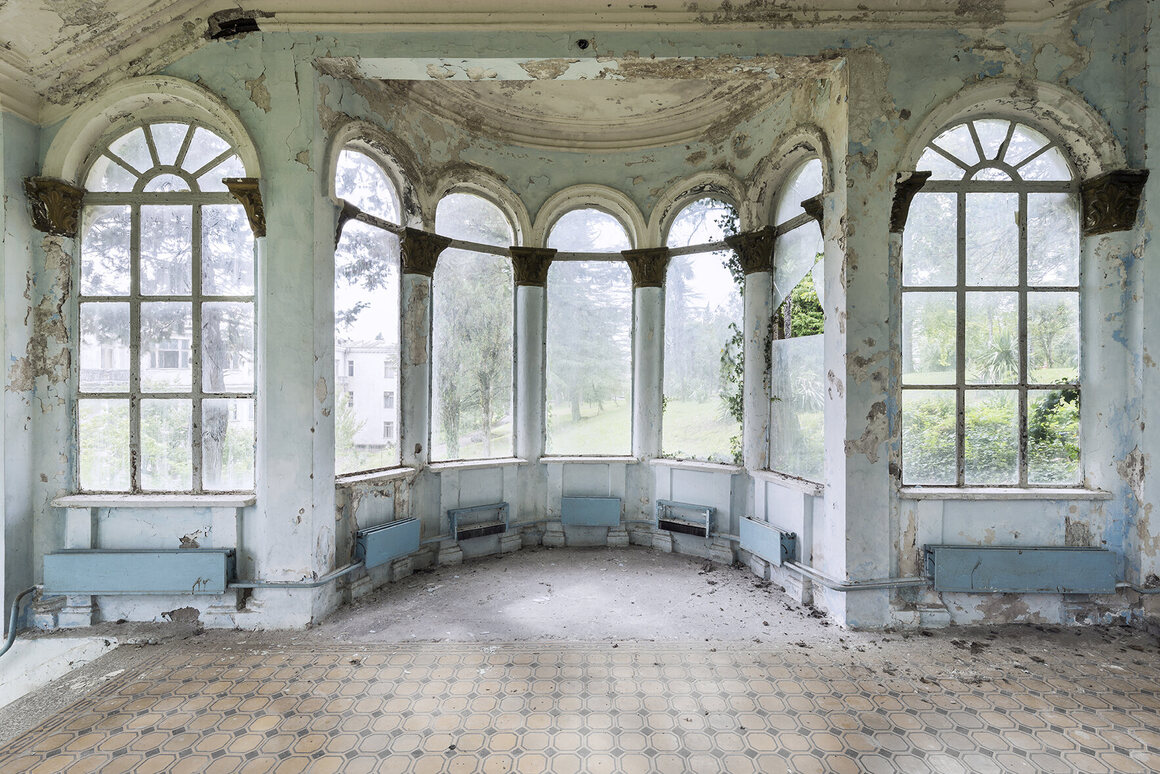
The blue boxes on the wall of this sanatorium in Georgia were part of the heating system, allowing views of the magnificent gardens during winter.
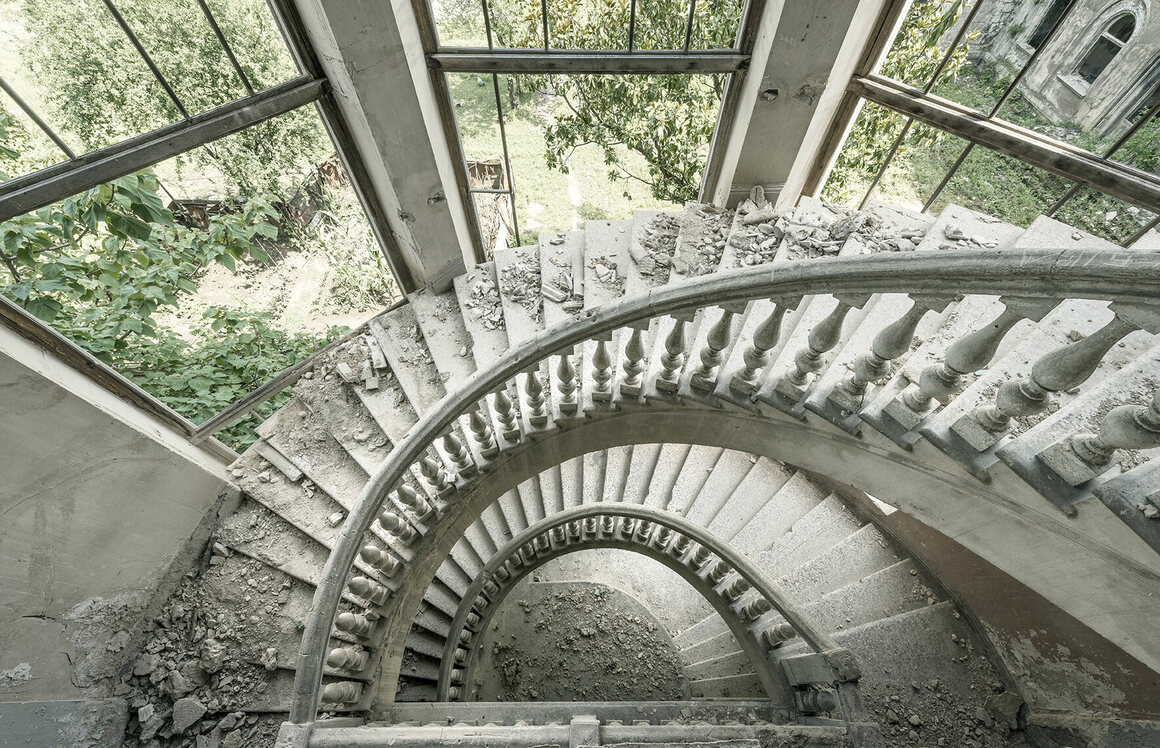
A staircase is a former sanatorium, Georgia.
A bathhouse in Tskaltubo, Georgia. Water still flows through and under these baths, undermining the structure.

https://www.atlasobscura.com/articles/abandoned-soviet-sanatoriums-georgia?utm_source=Atlas+Obscura+Daily+Newsletter&utm_campaign=21218c7777-EMAIL_CAMPAIGN_2018_05_02&utm_medium=email&utm_term=0_f36db9c480-21218c7777-65897069&ct=t(EMAIL_CAMPAIGN_5_2_2018)&mc_cid=21218c7777&mc_eid=2cd79a4b6a


Don't be Beautiful


The Message of the Bee

The Message of the Bee
The humble bee is hiding
In the blossom's golden cells;
He, and he only, can tell me 
Where the queen of the fairies dwells.
He is out on a royal message,
He has her high command
To bring his tribute of honey
To her table in fairyland.
And this is why he is ranging
From blossom to blossom to-day;
He is busy making nectar
For the lips of elf and fay.
He will carry the golden treasure
To all their kith and kin,
To a bank in a wood where a portal
Will open to let him in.
This tiniest of portals
Lies hid as violets hide,
Two blue-bells stand as sentries,
They guard it on either side.
He will hum, as he enters, the password,
And they — they will nod in the sun,
Then stand again to their duty,
And this is all that is done.
I too have seen this portal,
And a child can understand
That there is no other doorway
To the realms of fairyland.
by Alexander Anderson (1845-1909).
Art Becky Kelly