Friday, 9 August 2019

The best places to see wild horses around the world

FOR MOST PEOPLE, the idea of wild horses conjures up images of proud mustangs galloping across the American prairie. Yet the last truly wild horses disappeared from North America at the end of the last ice age, about 12,000 years ago. In fact, there are no wild horses left in the world today. The American mustangs, the Australian brumbies, and even the Przewalski’s horse of the Mongolian steppe are the descendants of the domesticated horse.
Experts believe that horses were domesticated around 3500 BC in the Eurasian steppes, a vast temperate region of grasslands and savannas stretching from modern-day Bulgaria to Mongolia. As people traveled and traded across the world, they took their pack animals with them. Over the years, some horses escaped and formed feral herds, from which all today’s free-ranging horses have originated.
But while these horses are not truly wild in biological terms, they are certainly wild in attitude. And for many of us, they embody the essence of freedom. Today, free-ranging horses can be found on every continent except Antarctica. Here are the best places to see them in the wild.

In North America

Horses first returned to the Americas with the Spanish. Famous Conquistador Hernán Cortès, for example, brought enough horses by 1525 to start a breeding colony in Mexico. These domestic Iberian horses became the founders of America’s mustangs.
Today, free-roaming horses are protected by law in the United States as the “living symbols of the historic and pioneer spirit of the West.”

Theodore Roosevelt National Park, North Dakota
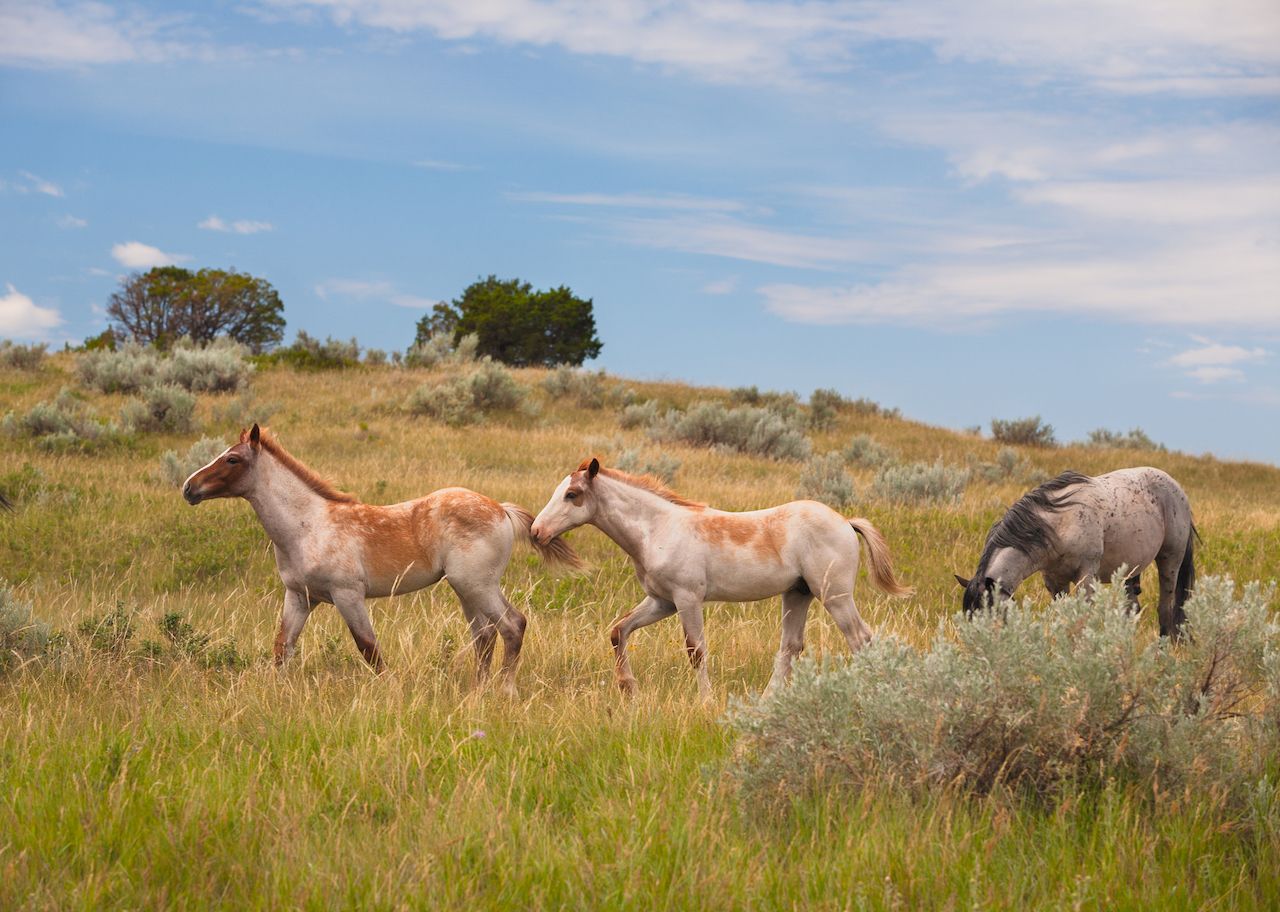
Photo: Anh Luu/Shutterstock
Lying at the meeting point of the Great Plains and the Badlands, Theodore Roosevelt National Park in North Dakota is one of the best places to see free-roaming horses in America. In summer, they can be seen grazing throughout the park. You can even spot them from Interstate 94, which travels along the park’s boundary.

Pryor Mountains, Montana
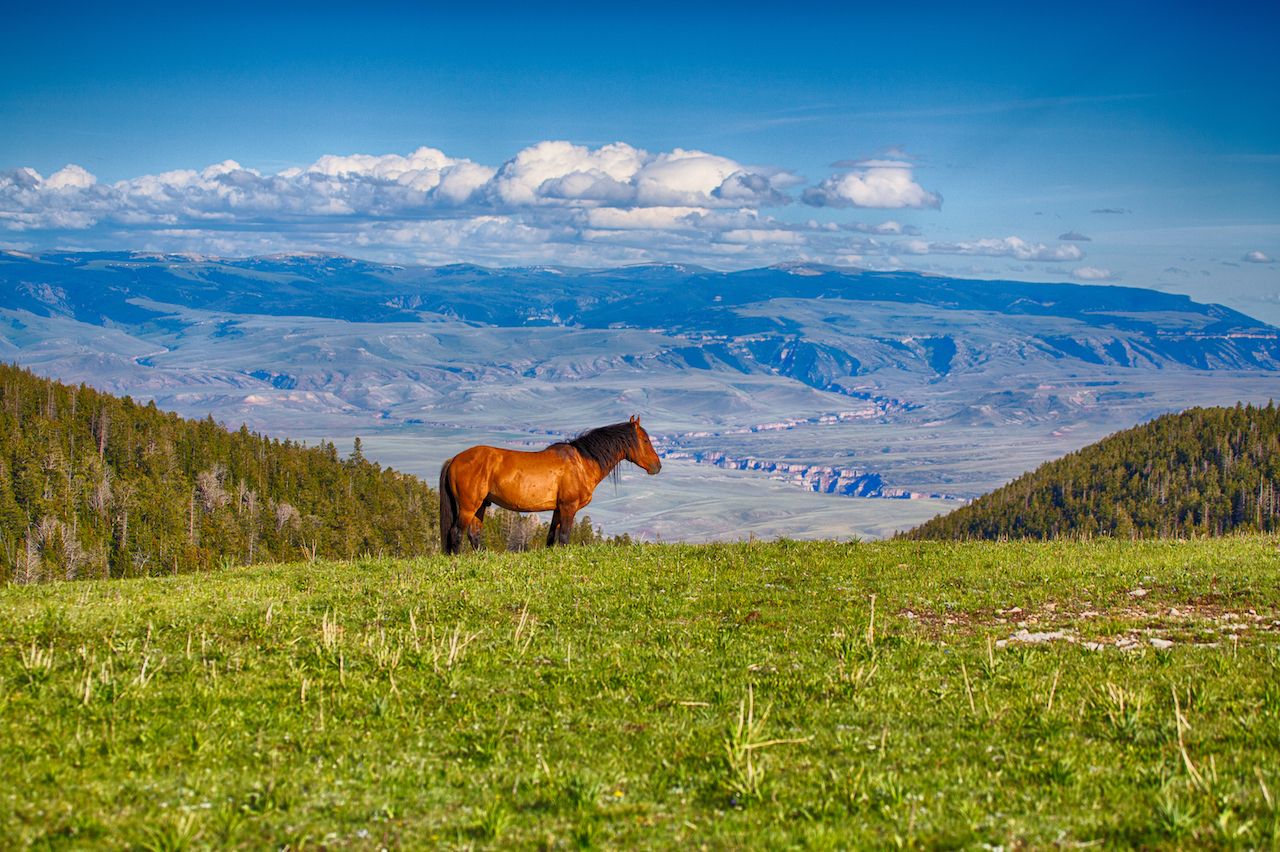
Photo: Gary C. Tognoni/Shutterstock
The Pryor Mountains are home to Montana’s one and only mustang herd. The horses are relatively easy to find on the East Pryor Mountain and in the desert lowlands. For the best chance of spotting them, keep your eyes peeled while driving along Highway 37 in Bighorn Canyon National Recreation Area.

Virginia Range, Nevada
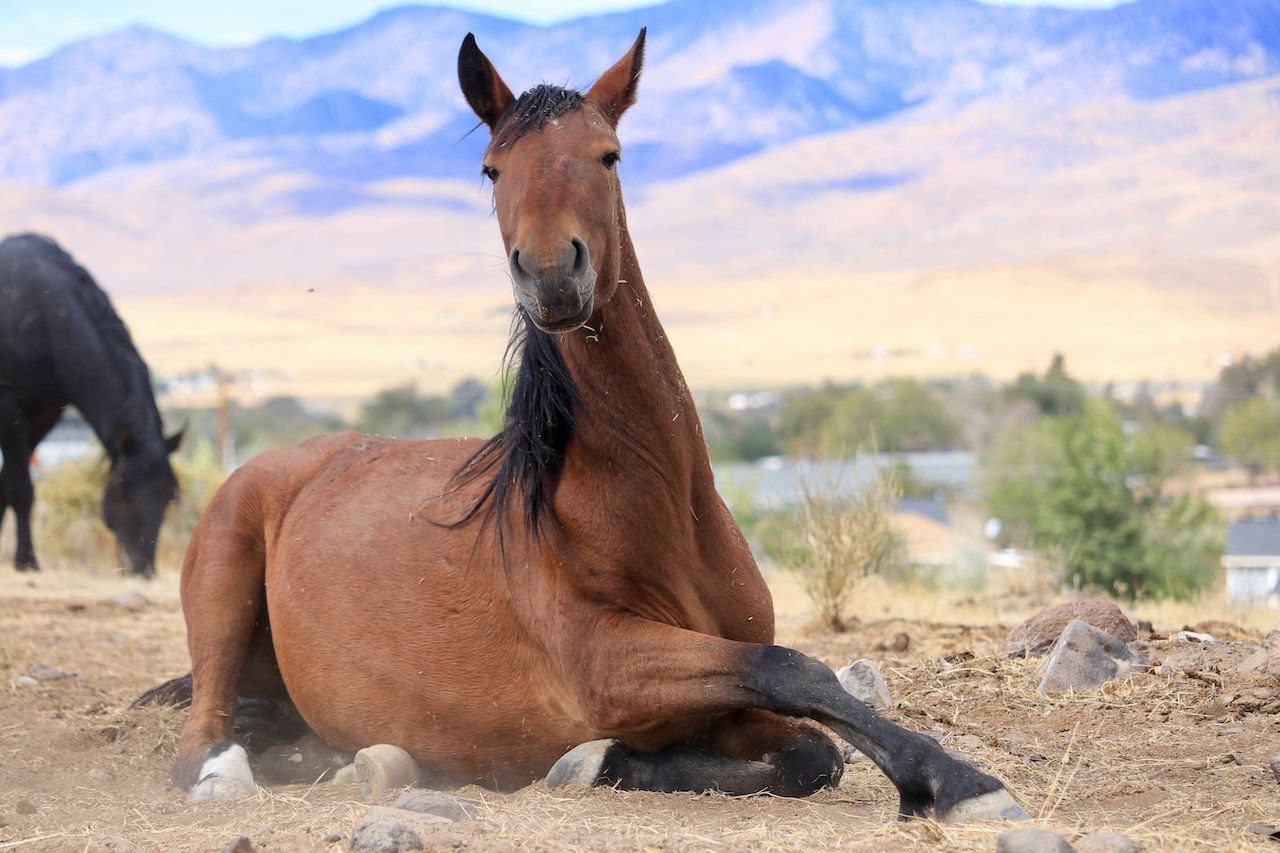
Photo: Dallasetta/Shutterstock
Some of the first horses to be protected in the United States by the Wild Free-Roaming Horses and Burros Act are the free-ranging horses of Virginia Range in Nevada. The best places to spot them are the watering holes east of Reno. If you are driving through the area, keep an eye out for the horses along Route 341.

Little Book Cliffs Wild Horse Area, Colorado
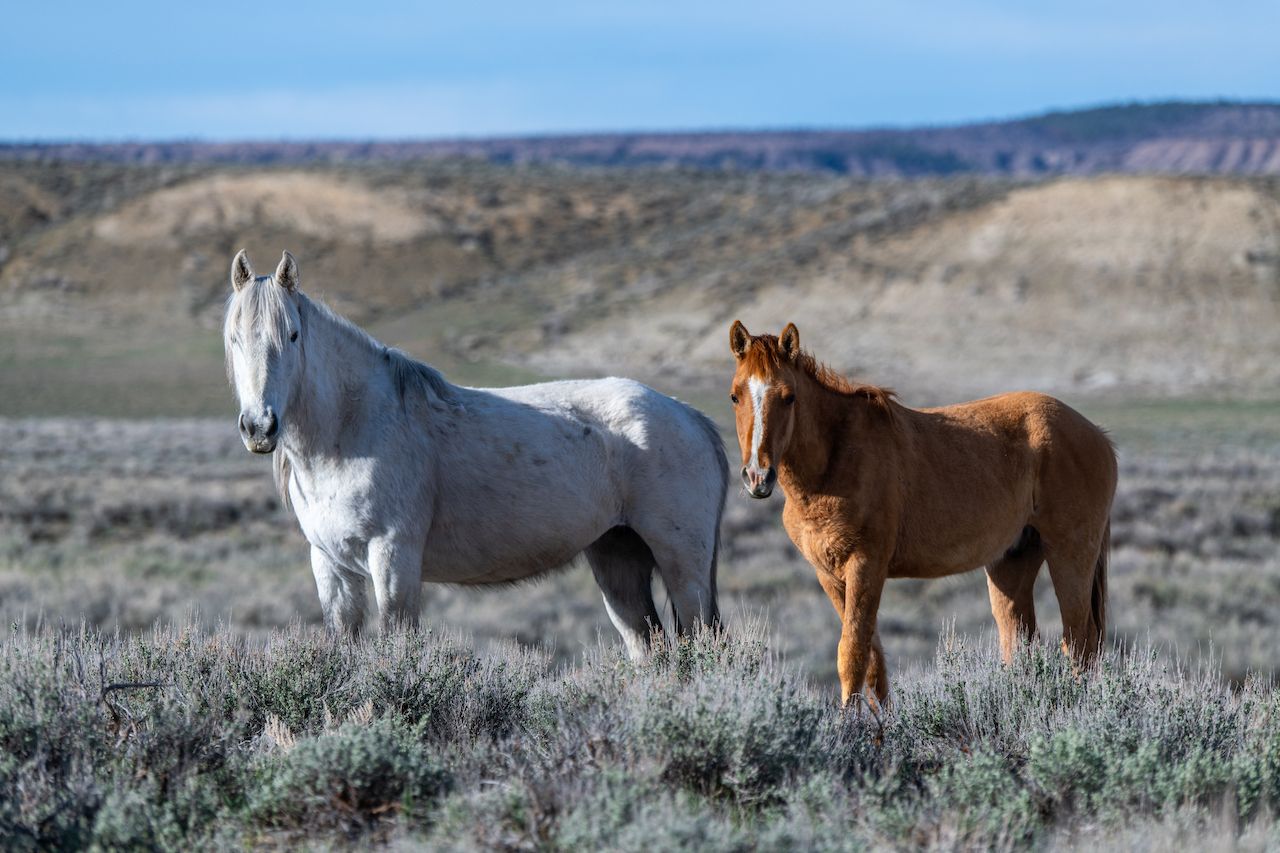
Photo: Kerry Hargrove/Shutterstock
Between 80 and 150 horses live among the 36,000 acres of plateaus and canyons in Little Book Cliffs in Colorado. The best way to find them is by hiking or horseback riding through the rugged terrain. In summer months, look for them in the Indian Park and North Soda area, and in winter, check out the Coal Canyon and the Main Canyon.

Rocky Mountains of Alberta, Canada
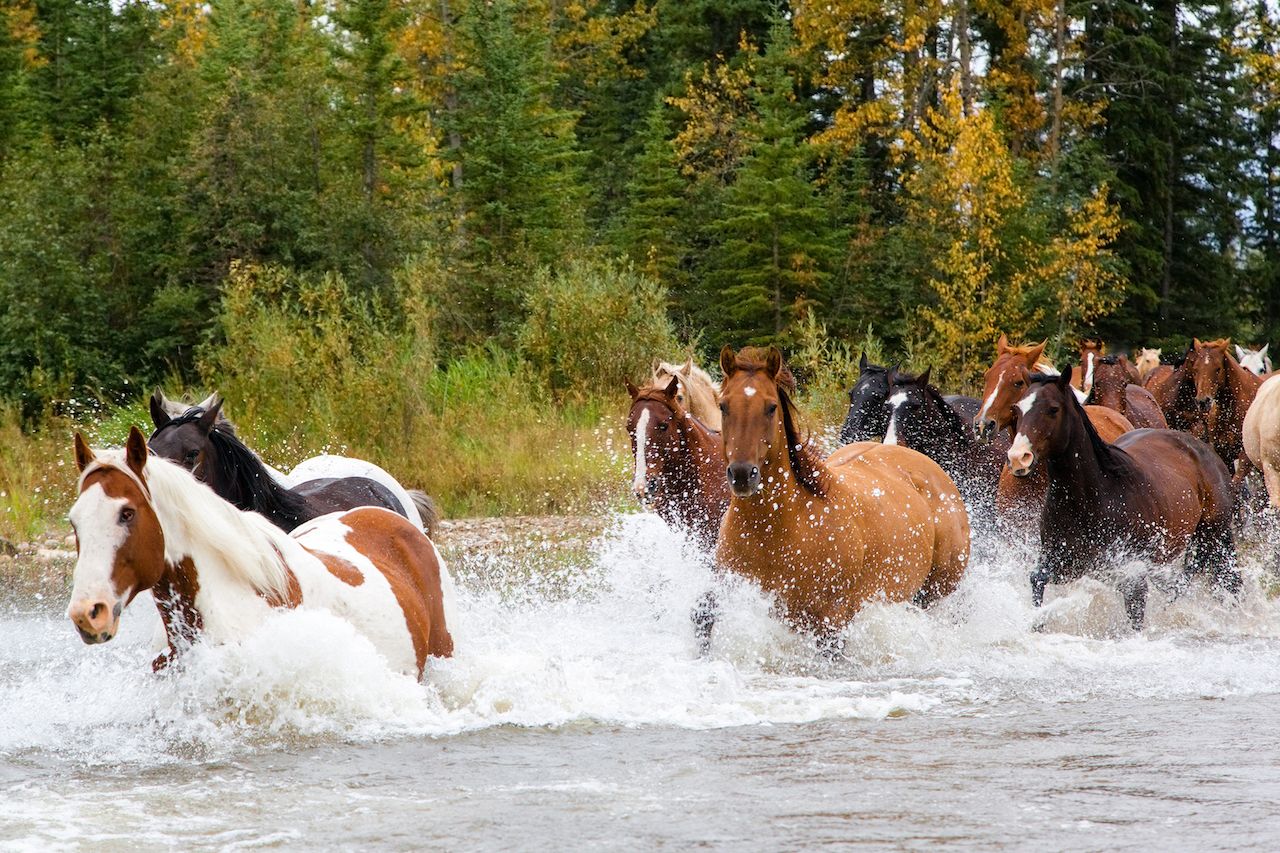
Photo: Ronnie Chua/Shutterstock
Across the border in Canada, free-ranging horses can be found in the Rocky Mountains in Alberta. Known as “wildies,” these horses range over 304 square miles of the Sundre Equine Zone on the eastern slopes of the mountains.

In Australia

Romanticized by novels and movies, the brumby, as the free-ranging horse is known in Australia, is a contentious issue for the government, the wildlife conservationalists, and the Australian public. Like the mustang, the brumby originated from domestic horses brought to Australia by the European settlers. But in the absence of natural predators and other large grazing animals to compete with, brumby population grew unchecked. Today, Australia is home to the world’s largest population of free-ranging horses, numbering at least one million.
However, Australian ecosystems didn’t evolve with large, hard-hoofed animals, and large mobs of feral horses cause significant environmental damage by compacting soils, degrading water sources, and destroying delicate vegetation communities that are home to several threatened native species. The challenge for Australian National Parks is to find the balance between the heritage value of the horses and the damage they cause to the environment.

Kosciuszko National Park, Australian Capital Territory
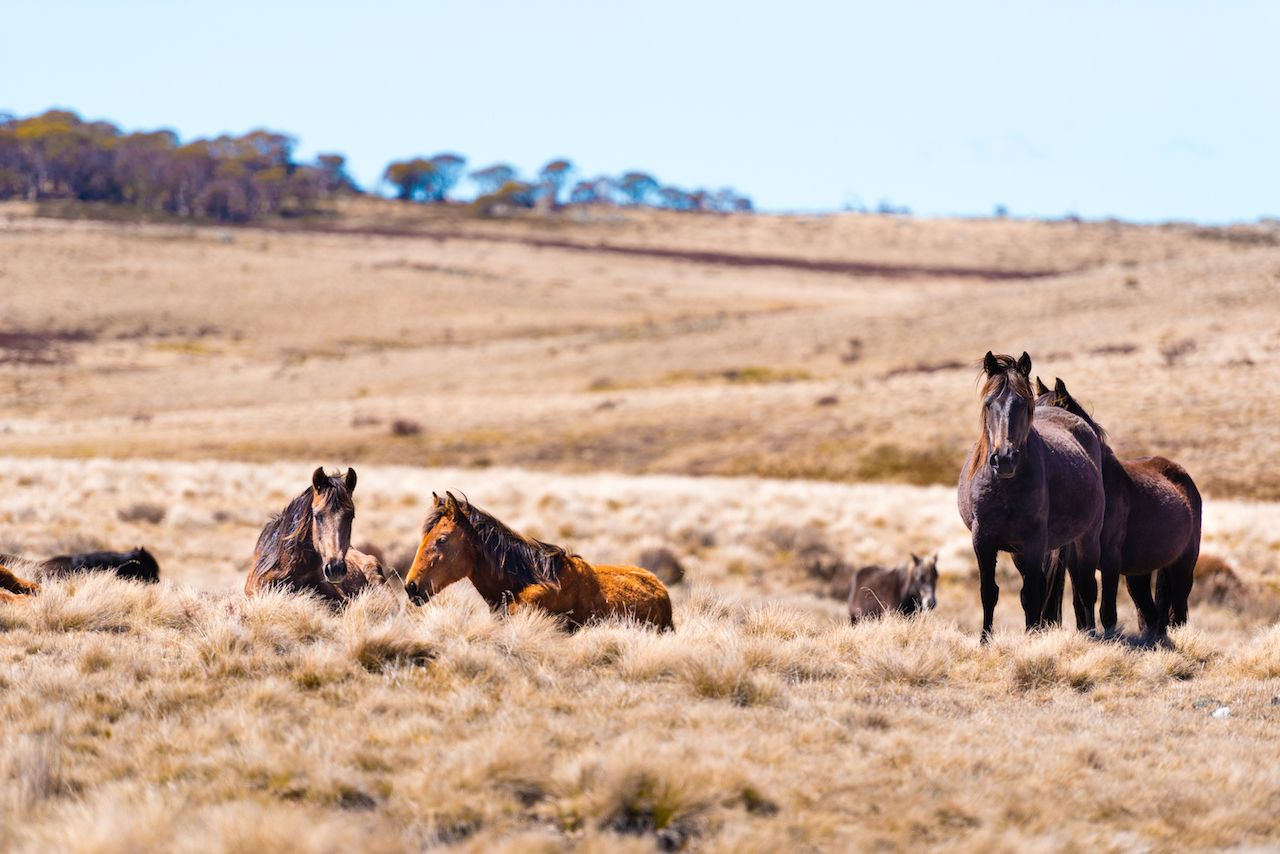
Photo: Constantin Stanciu/Shutterstock
Kosciuszko brumbies are Australia’s most famous free-ranging horses, thanks to the Australian cinematography classic The Man from Snowy River. The alpine wilderness of Kosciuszko National Park is home to anywhere between 4,000 and 8,000 horses that can be seen grazing throughout the park.

Guy Fawkes River National Park, New South Wales

The brumbies living among the rugged river gorges and forested valleys of Guy Fawkes River National Park are the direct descendants of Australia’s wartime cavalry horses. The park has several hiking trails that provide a good opportunity for spotting the brumbies, especially from the higher viewpoints.

Outback, Northern Territory
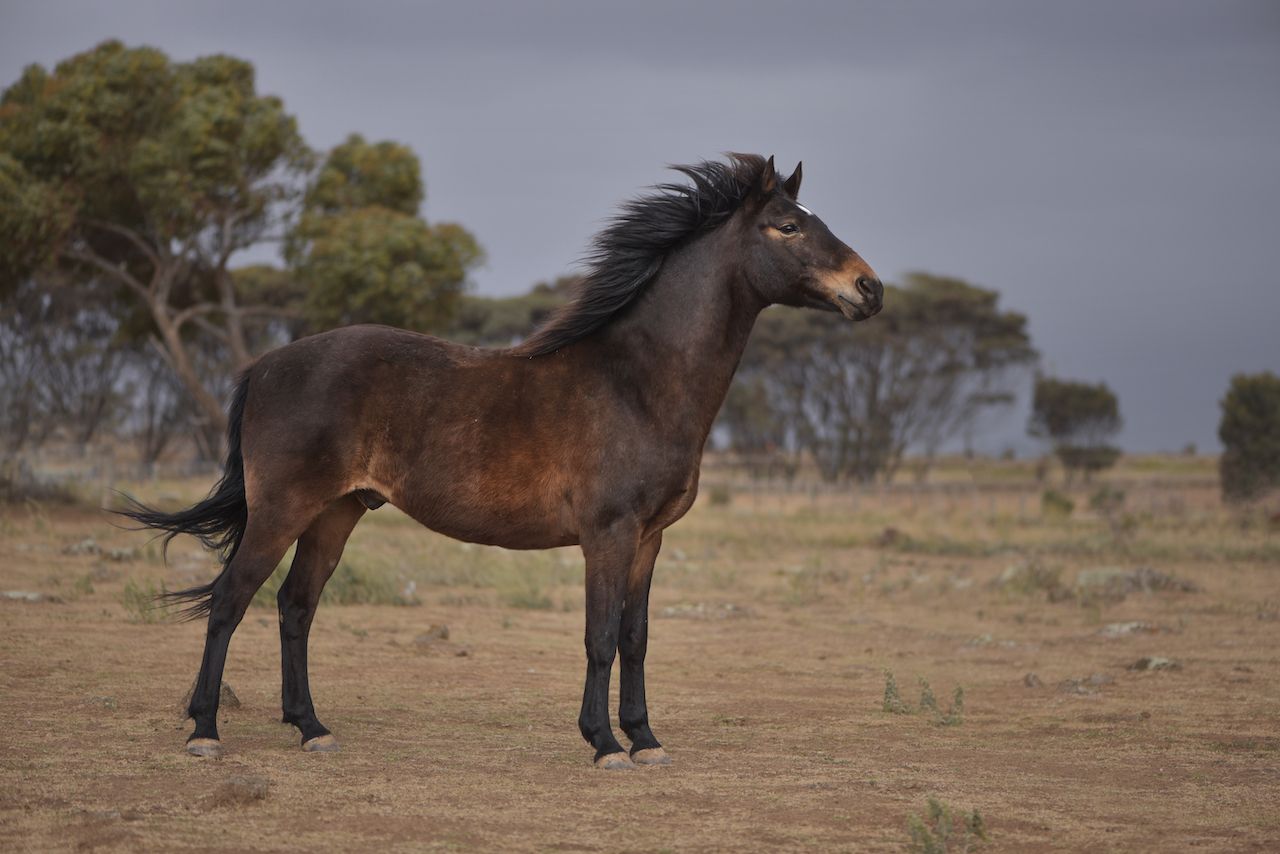
Photo: Picsoftheday/Shutterstock
One of the most unusual environments to see horses in Australia is the arid Outback. Yet Australia’s Northern Territory is home to the largest population of free-ranging horses on the continent, numbering between 15,000 and 30,000 animals. They can be seen throughout the state, including the West MacDonnell Ranges in Central Australia.

In Europe

In stark contrast to Australia, free-ranging horses are welcomed in Europe. The last naturally occurring populations of free-ranging primitive European horse are found in Portugal, where they are protected by law despite the uncertainty of their origins.
In recent years, captive-bred Konik horses have been reintroduced in many European countries as part of Rewilding Europe initiative. The Konik horse, also known as the Polish primitive horse, looks more like an ancient cave painting than a modern-day thoroughbred. It is a short, stocky animal with a small head and thick mane, close in appearance to the Tarpan, the extinct native wild horse of the Eurasian steppes.

Poland
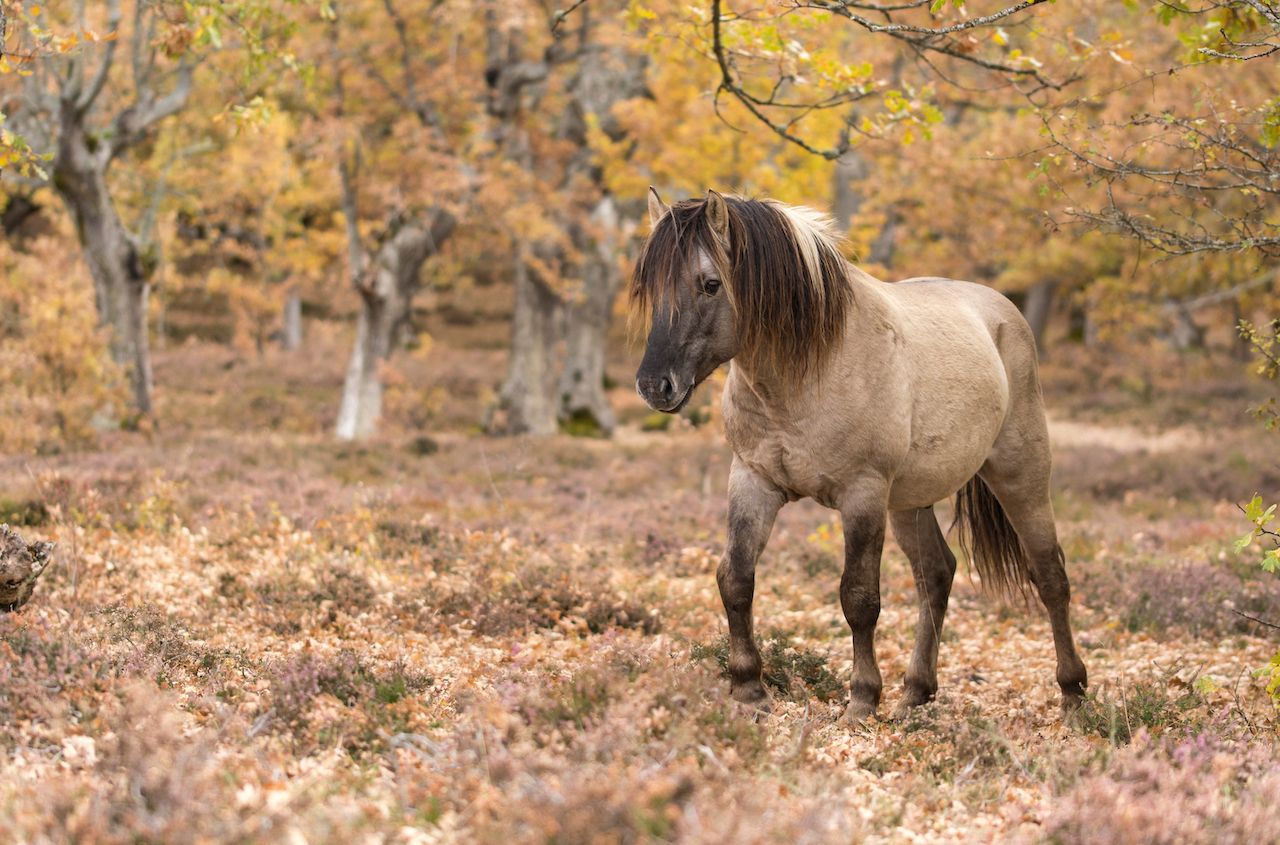
Photo: Wildpix productions/Shutterstock
Poland is the birthplace of the Konik captive breeding program. Reintroduced Koniks currently live in a nature reserve in Popielno and at Roztocze National Park.

Netherlands
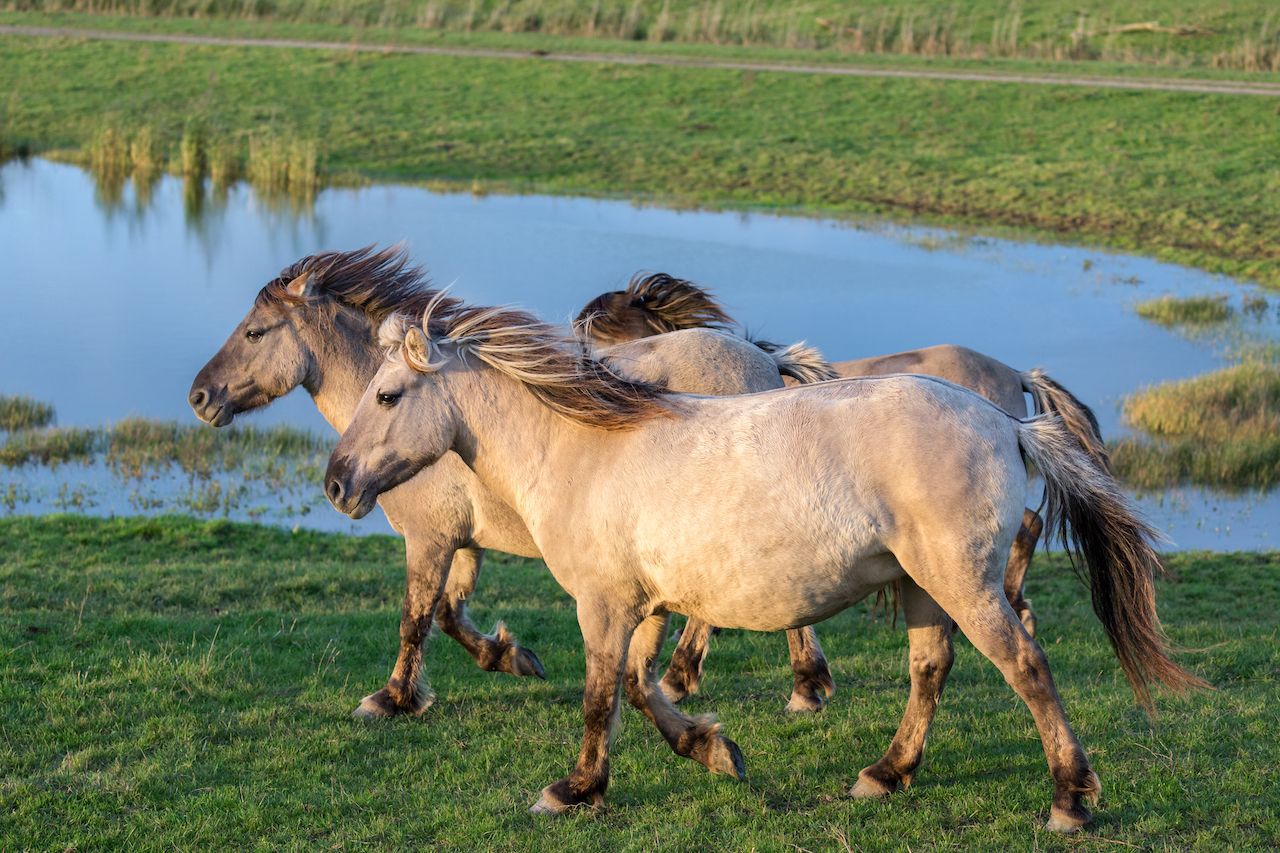
Photo: T.W. van Urk/Shutterstock
The reintroduction of Konik horses in Oostvaardersplassen Nature Reserve in the Netherlands has been a bittersweet success. The population grew rapidly from the 18 individuals released in 1983 to hundreds of individuals today. Unfortunately, the booming population has exceeded the carrying capacity of the relatively small reserve, and many horses died of starvation during a hard winter last year.

UK
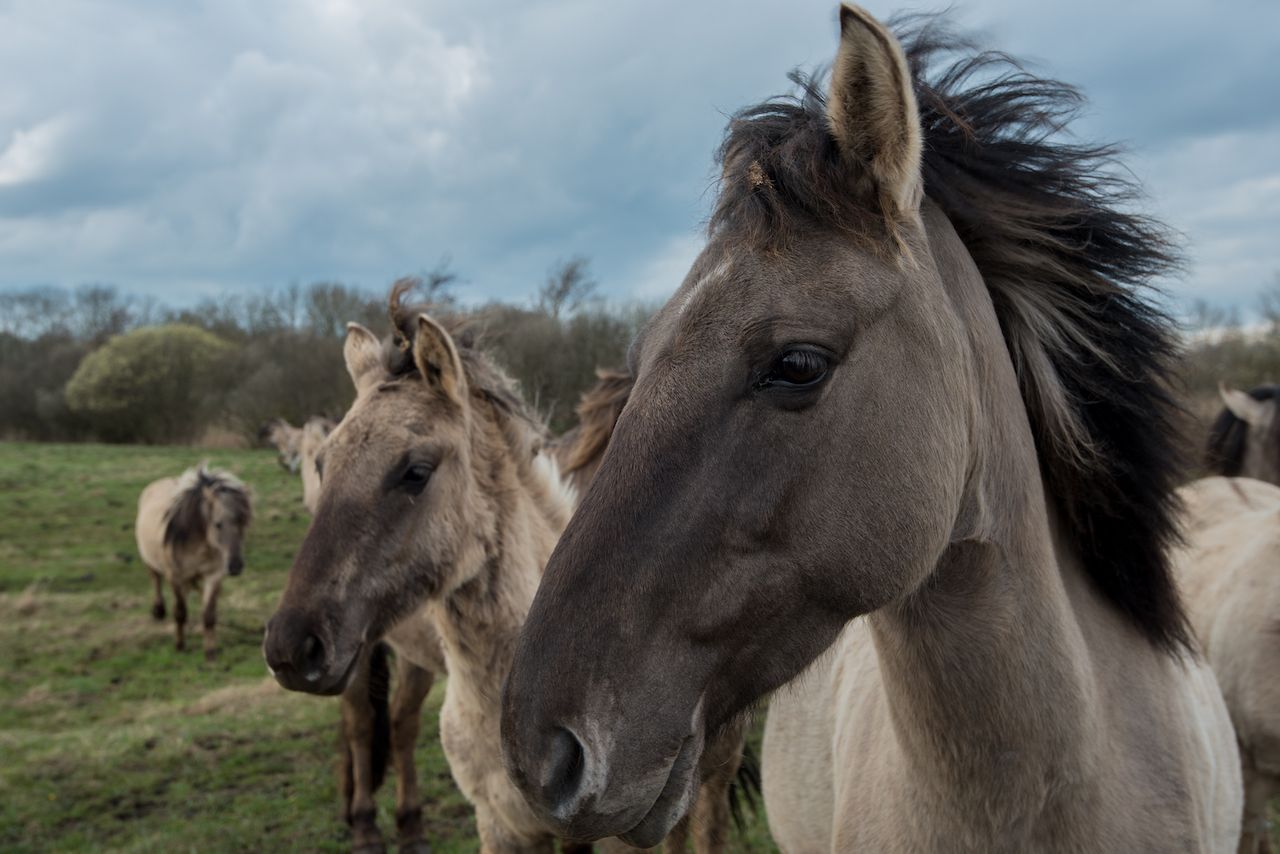
Photo: LDaly/Shutterstock
In the UK, Konik horses have been reintroduced in many nature reserves, including Wicken Fen near Cambridge, Stodmarsh National Nature Reserve, Ham Fen National Nature Reserve, Whitehall Meadow, Sandwich Bay, Park Gate Down, Redgrave and Lopham Fen, and the Mount Caburn nature reserve.

Bulgaria

The Eastern Rhodope mountains in south Bulgaria are home to about 70 reintroduced horses. Some of the best places to see them are Byala Reka and Studen Kladenets.

In Asia

Native of the Central Asian steppe, Przewalski’s horse has long been considered the only true wild horse that survived to modern times. However, a recent DNA analysis suggested that modern Przewalski’s horse may be the descendant of the domesticated horse of the Botai people — the prehistoric culture of North Asia.
Whatever its origin, by the late 20th century, Przewalski’s horse was extinct in the wild. The last wild mare was trapped in 1957 to bolster the genome of the captive population. Thankfully, the captive population also provided animals for reintroduction of Przewalski’s horse back into the wild.

Mongolia
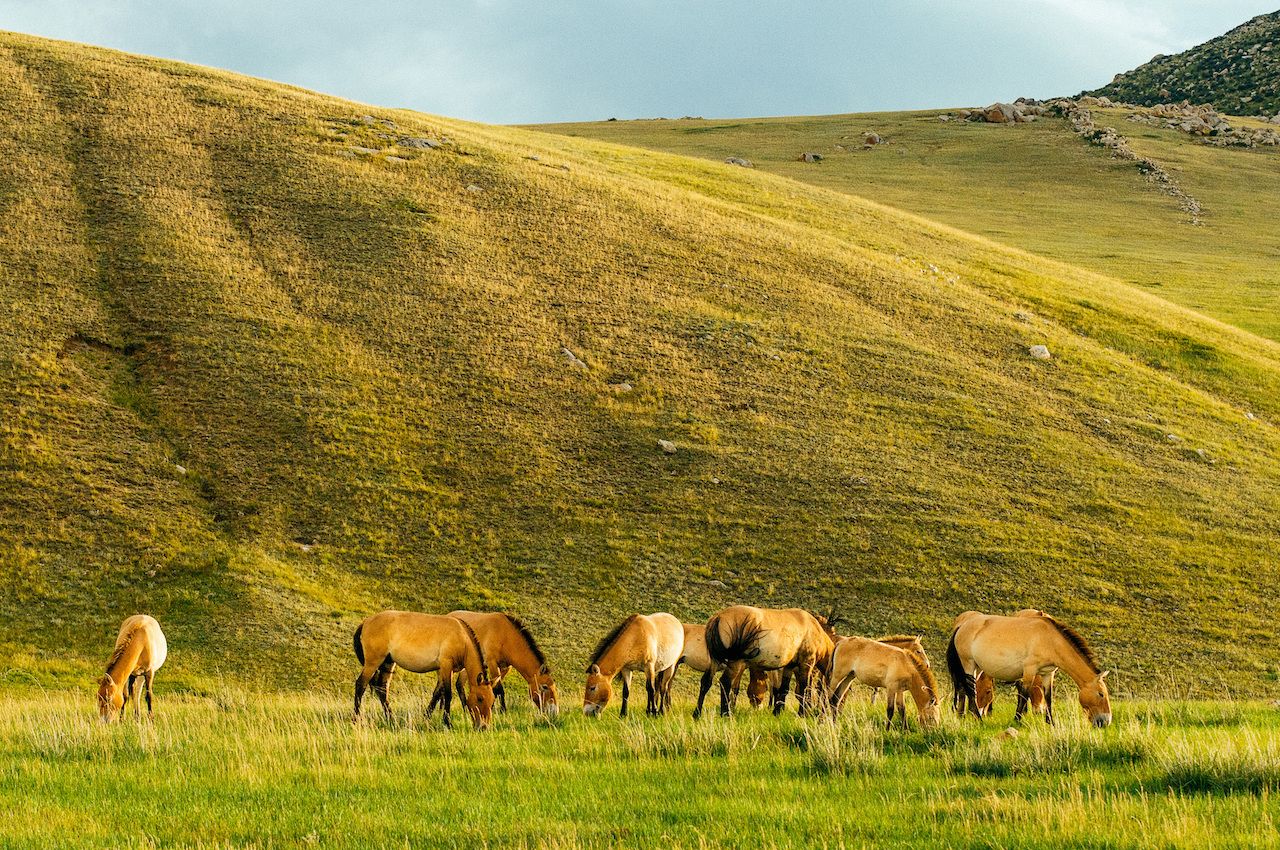
Photo: Zazaa Mongolia/Shutterstock
The return of Przewalski’s horse from extinction is one of the greatest wildlife conservation success stories. In 1992, captive horses were reintroduced in three nature reserves in Mongolia: Khustain Nuruu National Park, Great Gobi “B” Strictly Protected Area, and Khomiin Tal.
The total population of wild Przewalski’s horses in these reserves is over 400 animals, and while Przewalski’s horse is listed as endangered on the IUCN Red List of Threatened Species, it is not difficult to see in Mongolia.

China

Another Przewalski’s horse reintroduction site is the Kalamaili Nature Reserve in Xinjiang Province in China. Classified as an Ungulate Nature Reserve, Kalamaili protects 5,400 square miles of arid steppe — the preferred habitat of Przevalski’s horse.

Russia
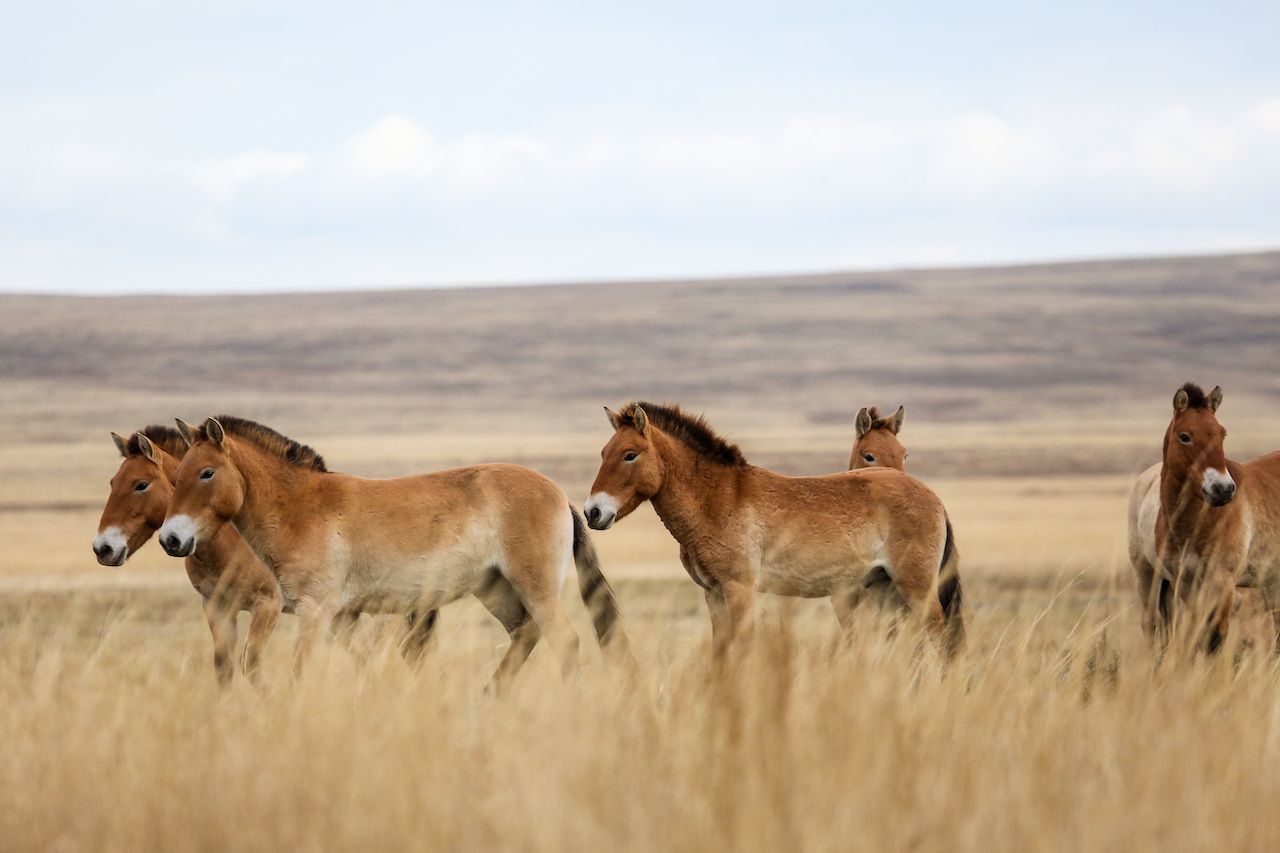
Photo: Igor Ageenko/Shutterstock
In 2016, Przewalski’s horses have been reintroduced in Orenburg Nature Reserve in the southern Ural Mountains in Russia, which led to the expansion of the reserve to include another section of steppe habitat.
Perhaps the most unusual patch of wild horse habitat is the Chernobyl Exclusion Zone, where the horses were reintroduced in a nature reserve before the infamous nuclear disaster in 1986. And in the absence of humans, wildlife populations, including the Przewalski’s horse, are thought to be on the rise.

Japan
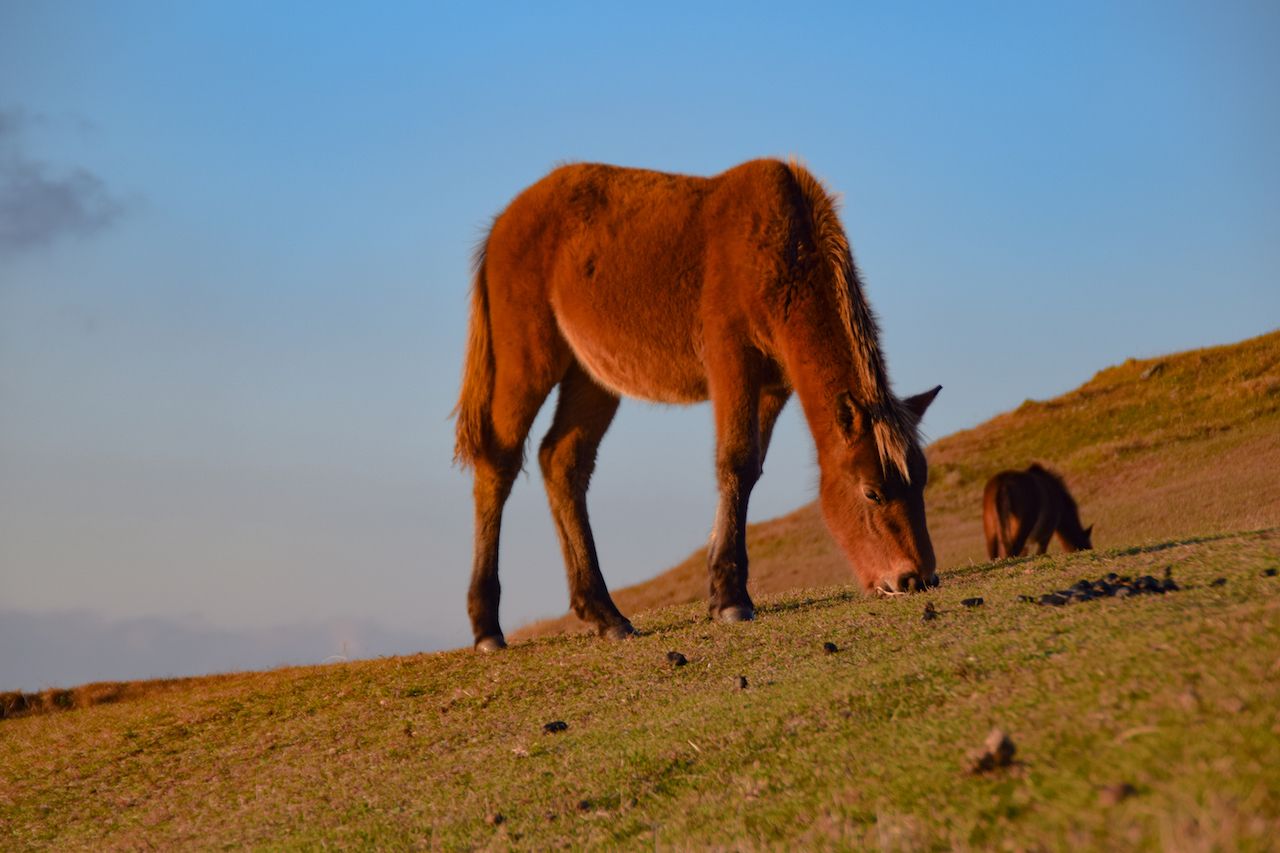
Photo: Earth Point/Shutterstock
Originally, horses arrived in Japan with nomads from Mongolia, and the modern-day, semi-wild populations trace their roots to these domesticated founders. The best places to spot horses in Japan are Cape Toi at the southernmost part of Miyazaki’s coast and Cape Shiriya on the northeastern tip of Honshu.

In Africa

Namibia
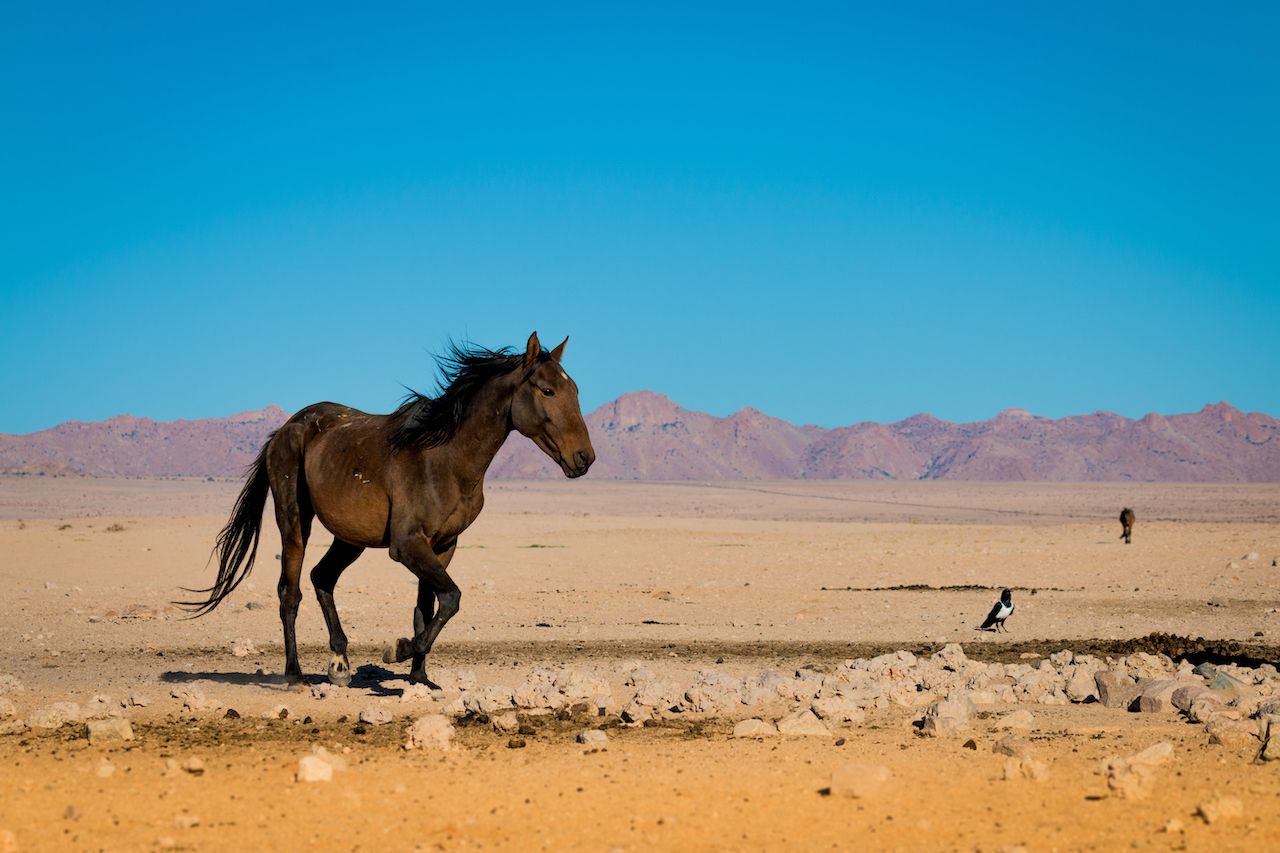
Photo: Ryno Viljoen/Shutterstock
The origin of the Namib Desert horse is unclear, but one of the more interesting theories attributes it to a shipwrecked cargo ship that was carrying thoroughbreds to Australia. It is assumed that the strongest horses swam ashore and established free-ranging populations in what are now Namib-Naukluft Park and Tsau/Khaeb National Park in Namibia.
This would explain the Namib horse’s athletic appearance. Unlike most free-ranging horses today, Namib Desert horses look like well-bred riding horses. 

These 10 Books Predicted (or Created) the Future

Science fiction has a reputation as one of the less-serious forms of literature. But then again, it's also the only genre that makes accurate predictions about the future on a regular basis. Sure, it's not always exactly right, and sometimes it's completely wrong (although we're still hoping that First Contact Day is coming in 2063). Here are 10 examples of science fiction books that really did predict the future — and one or two that actually inspired the future they predicted.
This article contains affiliate links, which means that if you purchase one of these books by clicking through to Amazon, Curiosity will receive a portion of the sale.

Fortune-Telling Fiction

1. "1984" by George Orwell (1949): Big Brother (2000s)

Visions of the future aren't always very cheerful — but neither is the future. In "1984," the main characters are always working under the watchful eye of "Big Brother," the ominously fraternal nickname given for the oppressive ruling regime. Besides being the name of one of the most popular reality shows of the past two decades, "Big Brother" has become decidedly more real in England, where video surveillance is nearly inescapable.

2. "Brave New World" by Aldous Huxley (1932): Psychiatric Drugs (1950s)

While "1984" predicted a future where the government strictly controlled the information that people were able to access, the 1932 novel "Brave New World" suggested that it would be easier to discourage people from pursuing that information in the first place. One of the tools in that particular dystopia's toolkit was the mood-altering medication "Soma," a psychiatric drug imagined before the first psychiatric drugs were ever developed. But it's probably safe to say that psychiatric medicine wasn't exactly the disaster that Huxley feared.

3. "Frankenstein" by Mary Shelley (1818): Organ Transplants (1954)

No, doctors still haven't found a way to spit in the eye of the circle of life, but one of the achievements advanced by the hubristic doctor of Mary Shelley's "Frankenstein" has certainly come to pass: the ability to keep an organ alive outside of the body in order to be transplanted into a new host. In 1954, doctors performed the very first organ transplant: a kidney. Fortunately, most of those doctors aren't going to end up fleeing to the Arctic to escape their handiwork.

4. "Fahrenheit 451" by Ray Bradbury (1953): Flatscreen TVs (1964)

Like many dystopian authors, Ray Bradbury was concerned with a growing lack of interest in the world, and specifically, with the notion that self-driven education by reading would fall to the wayside. That's the future he foretells in "Fahrenheit 451," in which so-called "firemen" have the job of starting fires to burn books. To take the place of those lost works of literature, the people of Fahrenheit 451 lose themselves in television programs on wall-spanning screens.
You might be surprised to learn that the first flatscreens were invented in the mid-1960s, although it was much later that they would become widespread in peoples homes. The book also introduced the concept of listening to music on tiny earbuds. We can't help but wonder what he would think of a modern reader listening to his book instead of reading it.

5. "Looking Backward" by Edward Bellamy (1888): Debit Cards (1966)

You know what, why don't we throw a utopian future in here to liven things up? In "Looking Backward," Edward Bellamy's starry-eyed vision of the 21st century, a traveler from the late 1800s is shunted to the year 2000, where he discovers that people carry small, pocket-sized cards that automatically debit money from their accounts when they need to pay for something. The actual cards came out in 1966 but didn't gain popularity for another 20 years or so. Pretty impressive, considering that the checkbook was only 50 years old when Bellamy wrote his book.

6. "The World Set Free" by H.G. Wells (1914): The Atomic Bomb (1945)

Okay, back to bleak visions of a dark future. In "The World Set Free,"H.G. Wells wrote of how humanity would have to start over after accidentally destroying society due to fast-paced technological development. One of the most deadly inventions was the uranium hand grenade — very much like a regular grenade, but more radioactive. Of course, Wells didn't truly grasp the destructive power of a split atom, but that almost makes this prediction even more impressive. The actual bomb wouldn't come into existence until U.S. scientists developed it between the years 1943 and 1945.

7. "Tom Swift and His Electric Rifle" by Victor Appleton (1911): Tasers (1974)

Tom Swift was a boy inventor who was the star of his own wildly popular series of books for kids — think Nancy Drew or the Hardy Boys, but with more steampunk. "Tom Swift and His Electric Rifle" did more than just predict the invention of the taser; it basically inspired it. In fact, the word "taser" is an acronym for "Thomas A. Swift's Electric Rifle." No, seriously.

8. "Gulliver's Travels" by Jonathan Swift (1726): Mars Has Two Moons (1877)

Okay, so this may be more of a lucky guess than an actual prediction. After all, Mars had two moons long before Jonathan Swift wrote his most famous book, "Gulliver's Travels." Still, it's a pretty impressive shot in the dark. The 1726 social satire had the astronomers of Laputa make this discovery a full 150 years before real-world astronomers did.

9. "Stranger in a Strange Land" by Robert Heinlein (1961): Waterbeds (1971)

The works of Robert Heinlein are rife with far-reaching visions, particularly of the philosophical bent. But "Stranger in a Strange Land,"one of his best-known works, also makes a bizarrely specific prediction in 1961, about a decade before it would become commonplace: the waterbed. While the first waterbeds were made for medicinal purposes in 1833, commercial versions came about a decade after Heinlein's book. We're still waiting to find out if his predictions about interplanetary politics and the superhuman abilities of humans born on Mars come true.

10. "Neuromancer" by William Gibson (1984): World Wide Web (1990)

Published in 1984, William Gibson's "Neuromancer" technically came after the invention of the internet, but it quickly became a touchstone of those who would build it to what it is today. This was the first book that truly grasped the significance of a globe-spanning network of computers — although the ability to access such a network using only our brains is still a ways off in the future. Some six years after "Neuromancer" came out, computer scientist Tim Berners-Lee invented the World Wide Web, the most common method of accessing that network.

Animals The "Alpha Dog" Is a Canine Myth

If certain TV dog trainers are to be believed, dogs will only respect your authority if they see you as the "alpha" — a fearsome, dominating pack leader. We've got good news (for your pup) and bad news (for dog-training TV shows): The so-called "alpha dog" is a myth. What your dog really needs, according to most animal behaviorists, is reinforcement, consistency, and love.

Crying Wolf

Animal behaviorist Rudolph Schenkel spent much of the 1930s and 40s studying wolves. He spent days at the Basel Zoo in Switzerland watching them, trying to determine what governed their social interactions. In 1947, he published his findings in a paper called Submission: Its Features and Function in the Wolf and Dog. In it, he reported that the group naturally competed for status until a male and female emerged as "first in the pack group." He wrote: "By incessant control and repression of all types of competition (within the same sex), both of these 'α animals' defend their social position." With that, the idea of the "alpha wolf" was born.
Unfortunately, his entire paper was based on a faulty premise: The idea that a bunch of unrelated animals brought together in captivity would behave the same way they would in the wild. As the modern wolf researcher David Mech has been quoted as saying: "Such an approach is analogous to trying to draw inferences about human family dynamics by studying humans in refugee camps." According to Mech's research, wild wolves actually live in family units that are strikingly similar to those of humans. The parents guide the family's activities and split the "chores" of feeding, pup-rearing, and protection. As the pups get older, their social status is based on birth order, with the oldest at the top.

What This Means for Training Your Dog

The fact that so-called "dominance training" is based on faulty science means that the approach used by celebrity trainers like Cesar Millan is ineffective at best. The host of "The Dog Whisperer" relies on dominance tactics as mild as "quick smacks on the flank" to get the dog's attention, to those as extreme as the "alpha roll," in which the owner forcibly rolls a dog over on his side or back and pins him until he submits. The American Veterinary Society of Animal Behavior (AVSAB) released a statement against the use of punishment for modifying your pet's behavior, and Bonnie Beaver, the former president of the American Veterinary Medical Association, told TIME, "We are on record as opposing some of the things Cesar Millan does because they're wrong."
Instead, most experts advise training that focuses on positive reinforcement, or as AVSAB says, "reinforcing desired behaviors, removing the reinforcer for inappropriate behaviors, and addressing the emotional state and environmental conditions driving the undesirable behavior." Give treats for good behavior, and pay attention to your own behavior — when you react to a yipping dog with attention, for example, you're inadvertently reinforcing that action. In the end, the risk of too many treats is much lower than a stressed, insecure dog. As certified trainer Pat Miller writes, "Figure out how to prevent [your dog] from being reinforced for the behaviors you don't want, and reinforce him liberally for the ones you do, and you're well on your way to having the relationship of mutual love, respect, communication, and communion that we all want to have with our dogs."

Researchers Concocted an Ancient Egyptian Perfume Perhaps Worn by Cleopatra


One archaeologist describes the spicy, musky scent as “the Chanel No. 5 of ancient Egypt.”


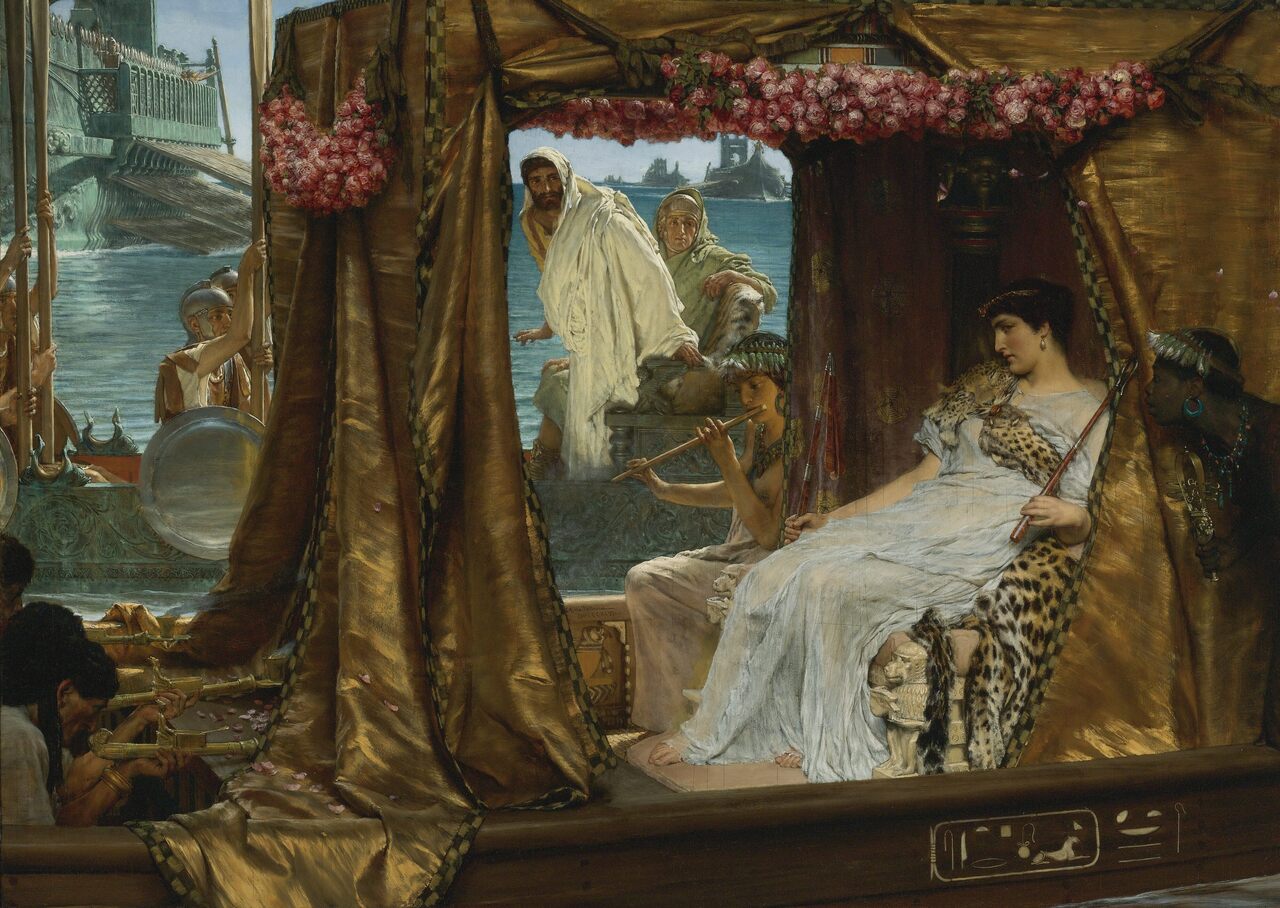
Marc Antony, following his nose. LAWRENCE ALMA-TADEMA/PUBLIC DOMAIN

IF CLEOPATRA WANTED TO WOO you, you’d smell her before you ever saw her. Legend has it that when she first visited Marc Antony in Tarsus, she coated the purple sails of her golden boat in a fragrance so pungent that it wafted all the way to shore. As Shakespeare wrote, Cleopatra’s sails were “so perfumèd that the winds were lovesick with them.” It does sound a bit extra, but, honestly, who wouldn’t want to catch a whiff of Egypt’s most famous queen?

Now, a team of four researchers have recreated a perfume they believe Cleopatra might have worn, based on residue found in an ancient amphora. “This was the Chanel No. 5 of ancient Egypt,” says Robert Littman, an archaeologist at the University of Hawaiʻi at Mānoa. “It was the most prized perfume of the ancient world.”

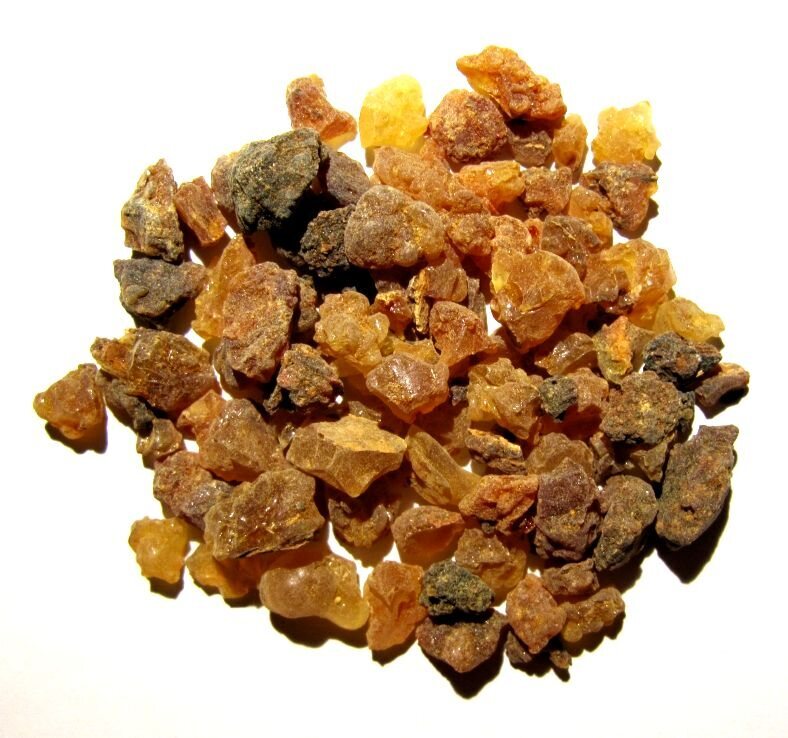
Littman and his colleague Jay Silverstein came up with the idea during their ongoing excavation of the ancient Egyptian city Thmuis, located north of Cairo in the Nile Delta and founded around 4500 BC. The region was home to two of the most famous perfumes in the ancient world: Mendesian and Metopian. So when the researchers uncovered what seemed to be an ancient fragrance factory—a 300 BC site riddled with tiny glass perfume jars and imported clay amphoras—they knew they had to try to recover any scent that had survived.Myrrh, the key ingredient in ancient Egypt’s prized perfume. GEOTRINITY/CC BY 3.0
The amphoras did not contain any noticeable smell—but they did contain an ancient dried residue (analysis of which is pending). Dora Goldsmith and Sean Coughlin replicated the Thmuis scent using formulas found in ancient Greek materia medica and other texts.

Both Mendesian and Metopian perfumes contain myrrh, a natural resin extracted from a thorny tree. The experts also added cardamom, green olive oil, and a little cinnamon—all according to the ancient recipe. The reproduced scent smells strong, spicy, and faintly of musk, Littman says. “I find it very pleasant, though it probably lingers a little longer than modern perfume.”

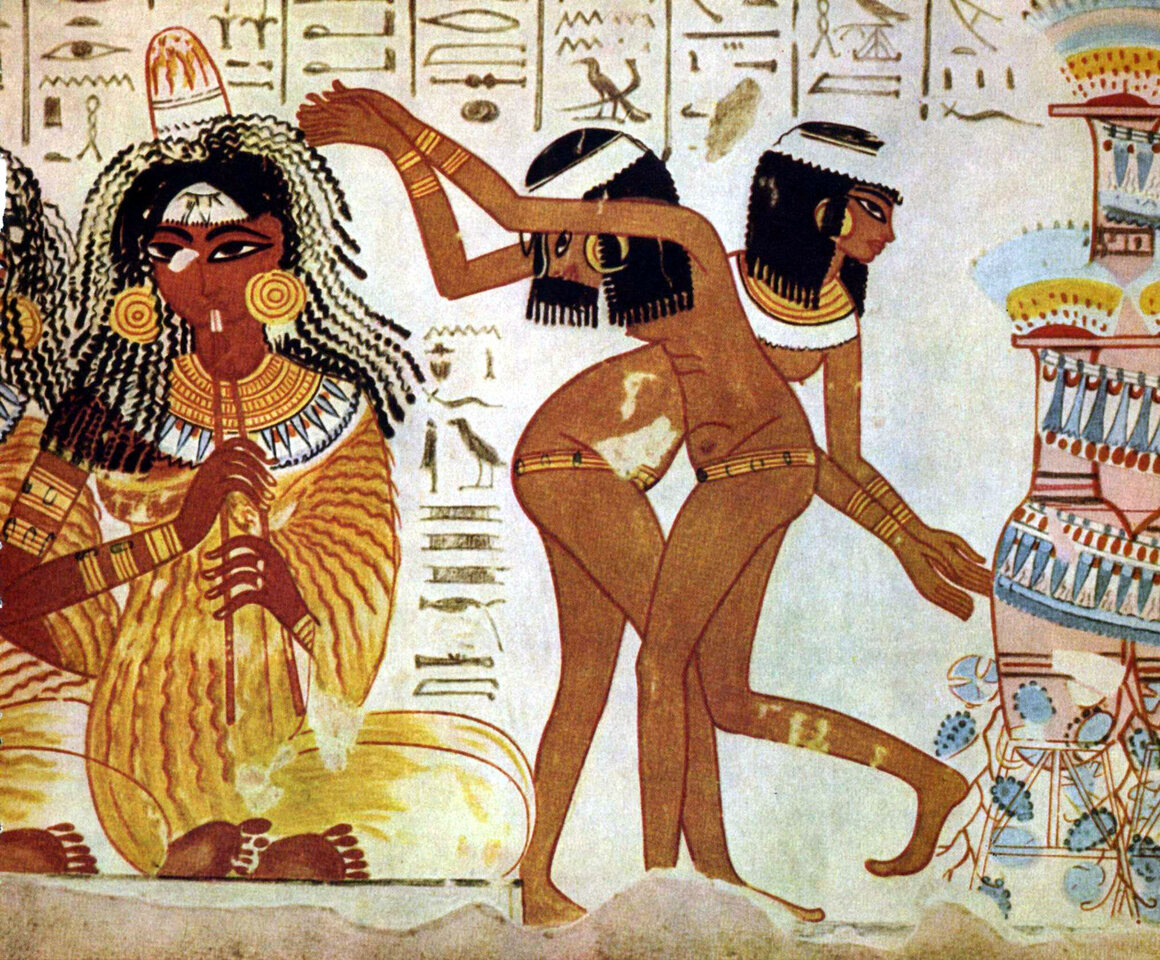
In ancient Egypt, people used fragrance in rituals and wore scents in unguent cones, which were like wax hats that dripped oil into one’s hair over the course of the day. “Ancient perfumes were much thicker than what we use now, almost like an olive oil consistency,” Littman says.


On the left, a musician wears an unguent cone. BRITISH MUSEUM/PUBLIC DOMAIN

Though the modern-day Mendesian offers an intriguing approximation of an ancient Egyptian perfume, the jury’s out on whether Cleopatra would have worn it. “Cleopatra made perfume herself in a personal workshop,” says Mandy Aftel, a natural perfumer who runs a museum of curious scents in Berkeley, California. “People have tried to recreate her perfume, but I don’t think anybody knows for sure what she used.”

Aftel is no stranger to the concocted scents of ancient Egypt. In 2005, she reproduced the burial fragrance of a 2,000-year-old mummified Egyptian child, a girl dubbed Sherit. Since her mummification, the perfume had shriveled into a thick black tar around Sherit’s face and neck, according to a Stanford press release. Aftel identified frankincense and myrrh as the primary ingredients in the perfume and reconstructed a copy. “I smelled the mummy,” Aftel says. “As a natural perfumer, it’s a very beautiful way to connect to the past.”

22 perfect words about books and reading


literary machine
Public Domain Do you read in bed? There's a word for that! (The National Archives)

On National Book Lovers Day, we celebrate the ultimate slow hobby.
August 9th is National Book Lovers Day, a day to put down your phone, shun the television, and celebrate those bound paper relics filled with words. In our crazy, quick-moving, screen-obsessed culture, there is something to be said for the act of finding a comfortable spot and doing little more than turning the pages of a book. Books are magical, portals into whole new worlds – and in this bibliophile's opinion, quite worthy of a day to call their own.
So in honor of the beloved book, we've collected a list of words that we never knew we needed – but that now of course seem indispensable! We've left out a bunch of the cutesy slang terms making the rounds; unless noted, these are bona fide words and most can be found in the Merriam-Webster dictionary.
ABIBLIOPHOBIA: The the fear of running out of things to read.
BALLYCUMBER: Coined by writer Douglas Adams, "One of the six half-read books lying somewhere in your bed."
BIBLIOBIBULI: "The sort of people who read too much," created in 1957 by H. L. Mencken.
BIBLIOGNOST: One who has comprehensive knowledge of books.
BIBLIOKLEPT: One who steals books.
BIBLIOLATER: One overly devoted to books.
BIBLIOPHAGIST: An avid or voracious reader.
BIBLIOPOLE: A dealer especially in rare or curious books
BIBLIOSMIA: An unofficial term for the aroma of a book.
BIBLIOTHERAPY: The practice of using books to aid people in solving the issues they are facing.
BOOKARAZZI: Slang for someone who takes photos of their books and posts them online.
BOOK-BOSOMED: Attributed to Sir Walter Scott, meaning someone who carries a book all the time.
BOOK SHELFIE (and library shelfie): A self-portrait with books that is shared on social media.
EPEOLATRY: The worship of words.
HAMARTIA: Aristotle introduced the word in Poetics to describe the error of judgment which brings about a tragic hero's downfall.
LIBROCUBICULARIST: A person who reads books in bed.
LOGOMACHIST: One given to disputes over or about words; one given to logomachy.
LOGOPHILE: If you're a logophile, you already know this means a lover of words.
OMNILEGENT: Reading or having read everything, characterized by encyclopedic reading
PANAGRAM: A short sentence that contains all 26 letters of the English language, as in: The quick brown fox jumps over the lazy dog.
SCRIPTURIENT: Having a strong urge to write.
TSUNDOKU: And our favorite, a Japanese word describes piling up books to save for later ... even if you'll never actually read them. And which you can read much more about here: Tsundoku: The practice of buying more books than you can read.
bookMabelAmber / Pixabay/Public Domain

This Photographer Fell In Love With Foxes After Taking Their Photos In Her Studio

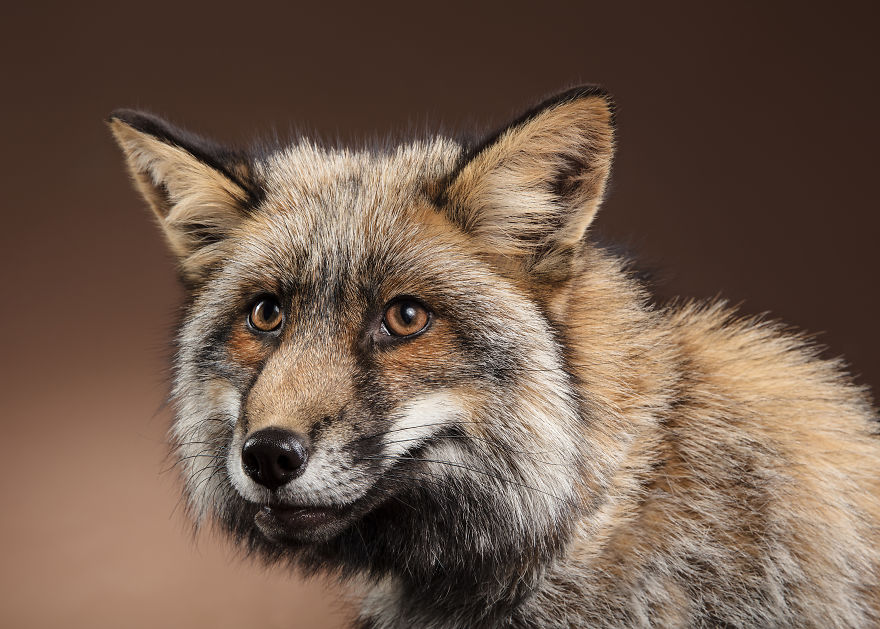
Pet photographer Rhiannon Buckle has recently has came across something she described as a “one in a lifetime opportunity” – she got to take portraits of foxes in her studio!
“Pet foxes are not a normal thing in the UK so this was a once in a lifetime opportunity and it was hard to resist putting fox cuddles before taking the photographs,” said the photographer. “I got lucky to work with Joy’s Pets, based in Gloucestershire, UK. Amongst your more exotic animals like reptiles, owls and hedgehogs they now house a small family of foxes. Of course, I took up the challenge of shooting these beautiful but wild creatures and I was so thrilled with the result of the images.”

Rhiannon met two of their foxes and had two photo shoots in the course of a year. The foxes were mostly domesticated but still living outdoors so the photographer wasn’t sure what to expect from them.
More info: Instagram | h/t: Bored Panda
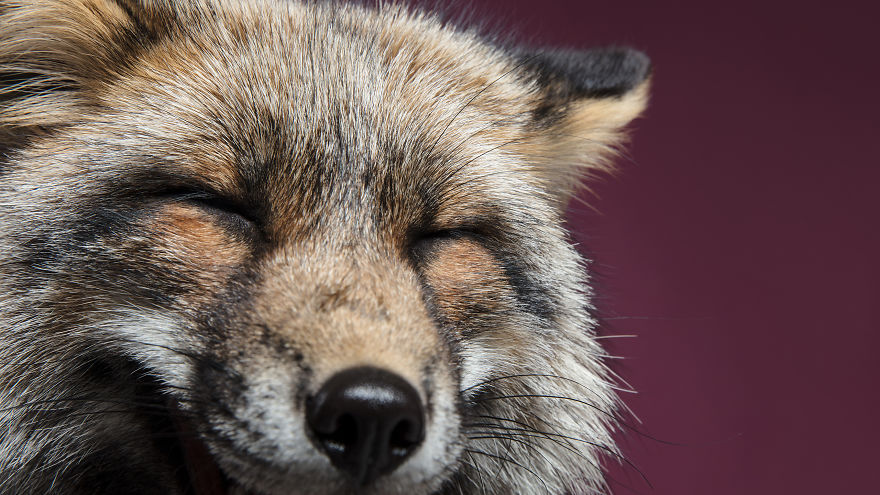
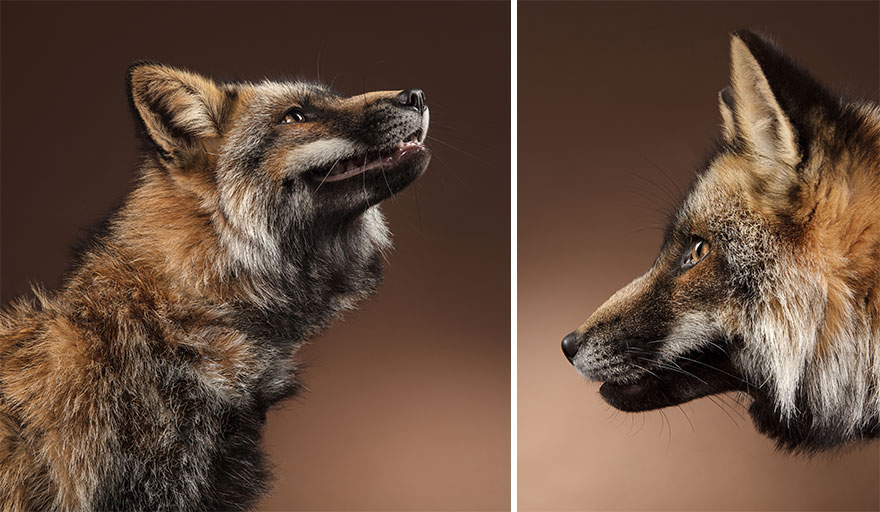
“Ruda is the adolescent cinnamon fox. She was a bit shy in the studio but made herself at home on the sofas. She much prefered to lounge on the sofa, where she wanted to chill rather than model!” says the photographer. “She was curious about the camera and I managed to get some amazing wide-angle shots of her. This wasn’t her first shoot at the studio so it was easier that she was familiar with the space already.”

This happy fox seems to have really enjoyed the photo shoot!


Although the pictures look like they were easy to take, the photographer says it wasn’t that easy – she had to make sure the fox was comfortable with her and the equipment and had to carefully choose the lighting. “The fox, the composition, the lighting, the pose, the focus, the timing. My brain was working overtime!” says Rhiannon.

Jaeger

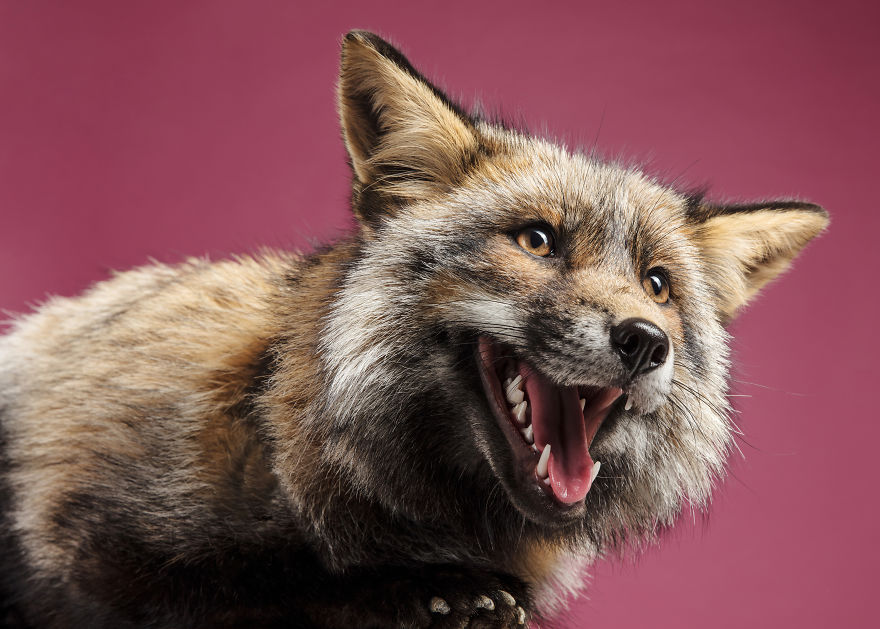
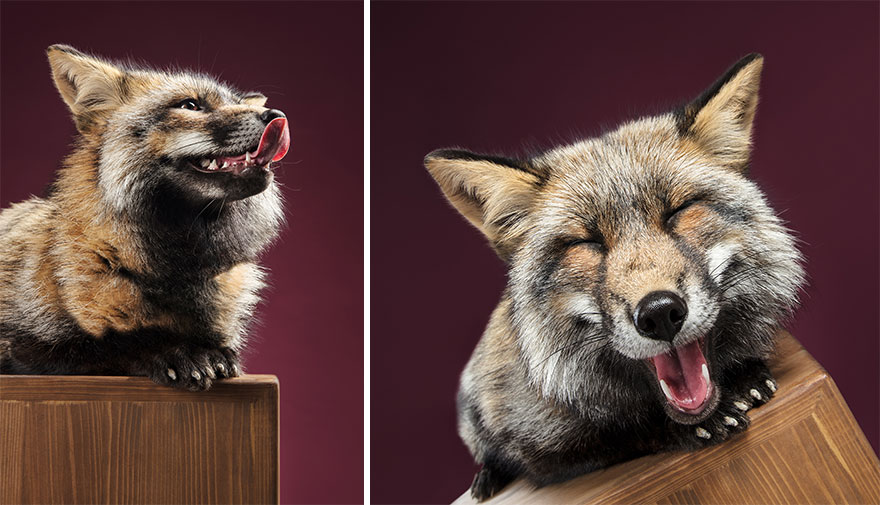
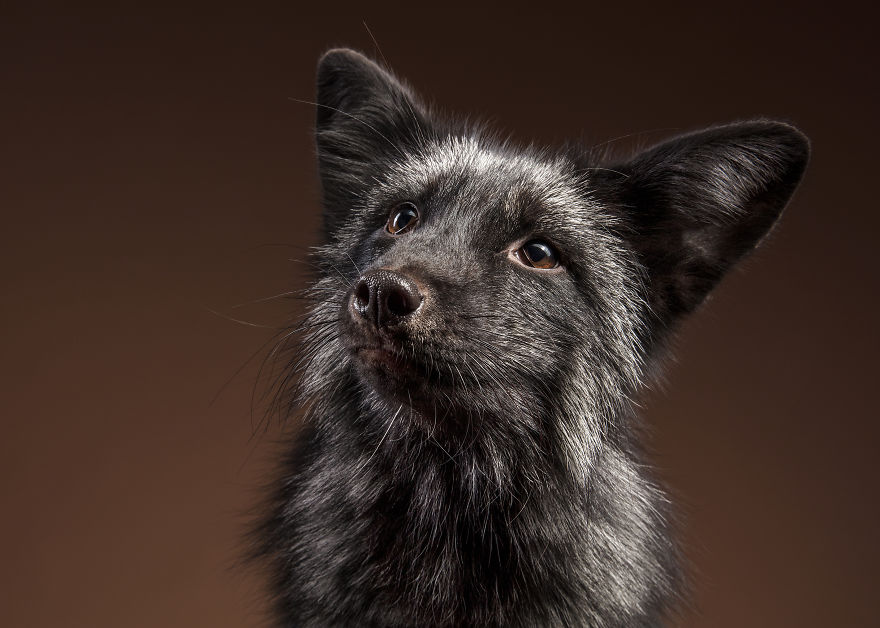
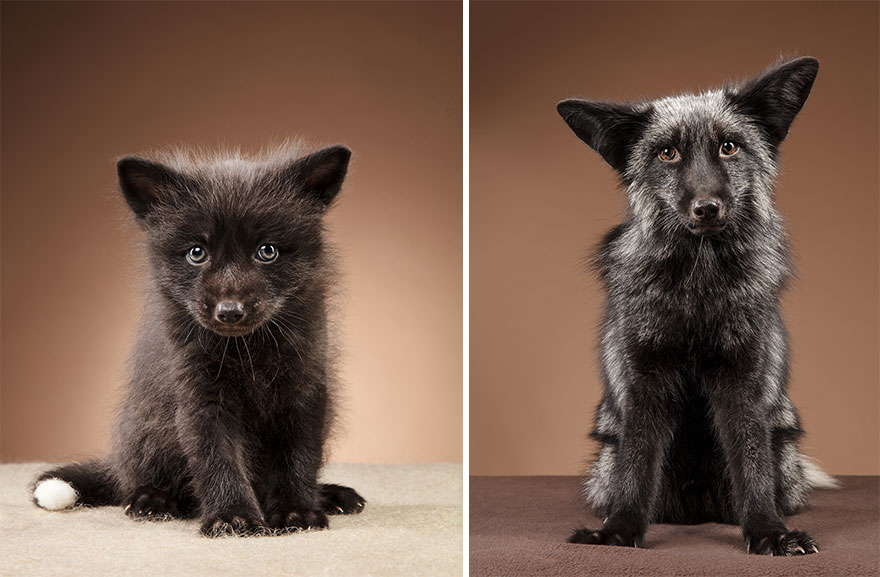
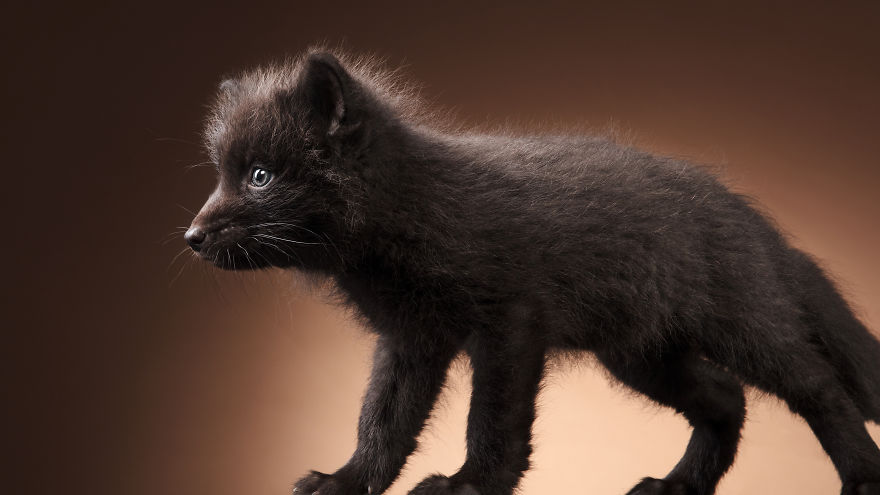
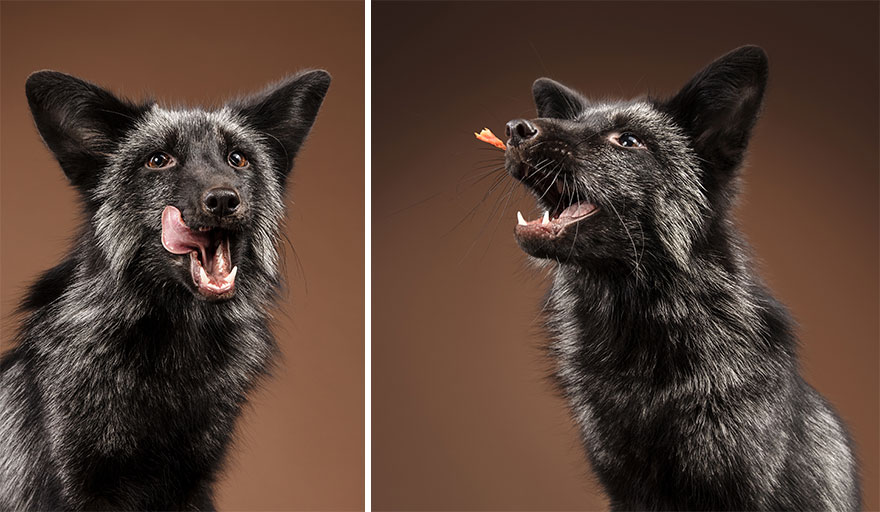
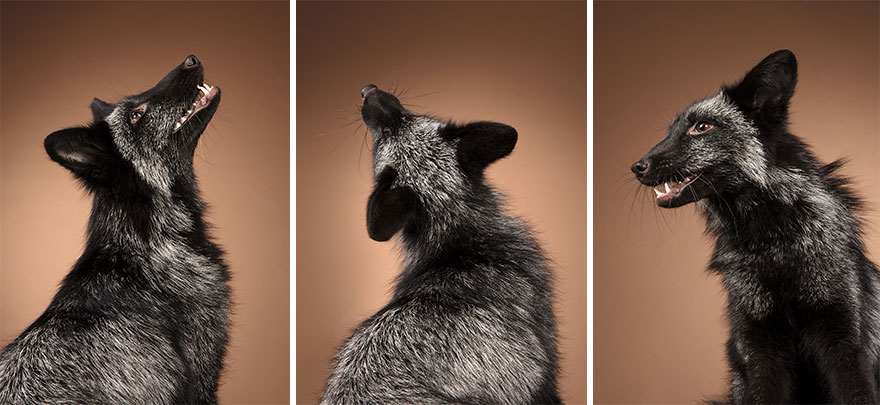
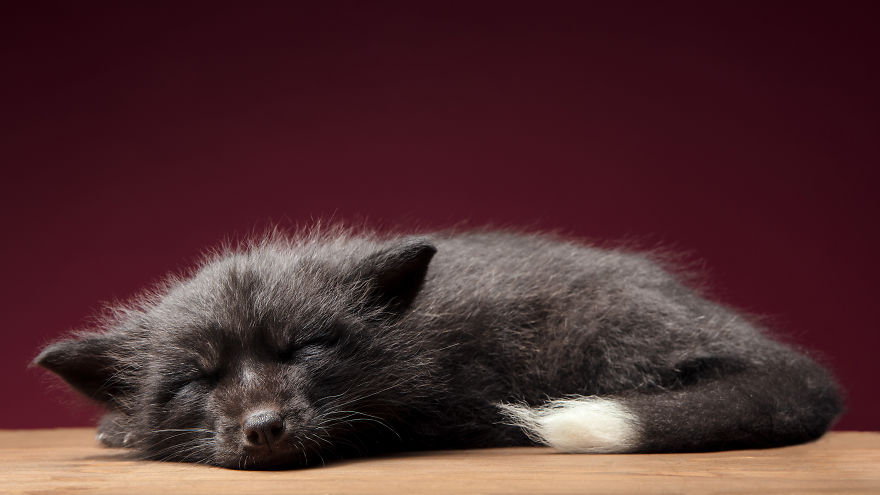
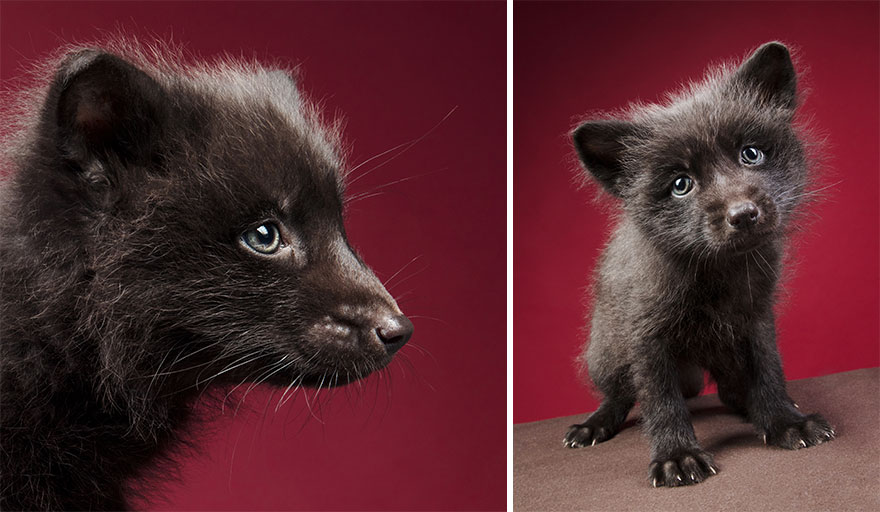
“Jaeger is the Silver Fox. I first met him when he was 6 weeks old. He adapted extremely well to the studio space. He was very curious, sniffing out every nook and cranny, figuring out his surroundings. He was also wanting to cuddle and bury himself into your chest and whilst I was taking photos he fell asleep on set!” says the photographer.
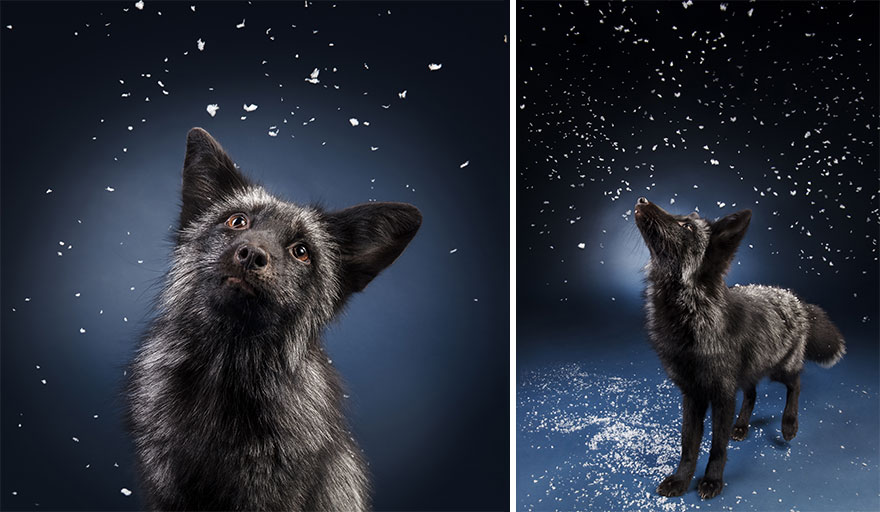
She met Jaeger again for the second photo shoot when he was about 8 months old. “At this time he had human interaction every day and also learned a few tricks like sit and give paw. Not to be mistaken for a dog though, his behaviour was still something I had to figure out,” says Rhiannon. “At times I was able to ask him to sit for a piece of chorizo and I forgot I was even photographing a fox and rewarding him like a dog. He still had wild tendencies, when he found a toy it was a challenge to get it off him and he would get a bit over excited when taking a treat.”

6 weeks to 8 months


Even though they are wild animals, it’s still hard to resist wanting to cuddle them


And they sure love treats!


Although it looks like photo shoots can be quite tiring


“Foxes grow at an incredible rate, faster than puppies so little Jaeger didn’t stay this small for long!” says Rhiannon. “When he came back for his second shoot I couldn’t believe how fast he had grown and also how different he was.”

Absolutely majestic!

Aušrys Uptas

One day this guy just kind of figured "I spend most of my time on the internet anyway, why not turn it into a profession?" - and he did! Now he not only gets to browse the latest cat videos and fresh memes every day but also shares them with people all over the world, making sure they stay up to date with everything that's trending around the web. Something that always peeks his interests is old technology, literature and all sorts of odd vintage goodness so if you find something that's too bizarre not to share, make sure to hit him up!

Books


The Queen's English
“If you cannot read all your books…fondle them—peer into them, let them fall open where they will, read from the first sentence that arrests the eye, set them back on the shelves with your own hands, arrange them on your own plan so that you at least know where they are. Let them be your friends; let them, at any rate, be your acquaintances.”
~Sir Winston Churchill.